

Looking for an herb to help support you in stressful times? Motherwort is a great medicinal plant to know, and it may be growing wild near you! Learn about motherwort uses and benefits and how to forage your own motherwort.
Every season I try to get to know a new plant or two, whether it’s something yummy to forage (like wild spinach or strawberry blite ) or a plant to use medicinally, like creeping Charlie or yellow dock. Motherwort is one of the more recent additions to my herbal repertoire, and it’s become a staple in my home remedy toolkit.
Here’s what to know about motherwort’s medicinal properties, how to use it, and how to correctly identify this green gem in the wild.
WHAT IS MOTHERWORT?
Motherwort (Leonurus cardiaca) is a perennial plant in the mint family, renowned for its many medicinal uses.
Native to central Europe and Asia, it’s been a favorite plant in traditional medicine for centuries.
The suffix ‘wort’ derives from the Old English ‘wyrt’ and simply means plant, usually indicating medicinal uses. (There are so many ‘worts’ to explore! Here’s a list to check out if you’re curious.
Motherwort is a plant considered exceptionally helpful for dealing with the stresses of motherhood. Motherwort may be an herb worth exploring to support you through toddler tantrums and other trying moments with kiddos.
I first learned about motherwort from my favorite local herbalist, LuAnn Raadt, who generously shares her herbal knowledge with anyone interested. She introduced motherwort to me on one of her plant walks, and I was immediately fascinated by the herbal properties of this prolific plant.
There was plenty growing, so I asked the owner of the land if I could dig up a couple motherworts to take home and plant in my medicinal herb garden. They’ve taken off beautifully!

MEDICINAL USES FOR MOTHERWORT
Traditional medicinal motherwort uses are numerous, but herbalists turn it to most often for relaxing the nervous system, helping with menstrual pain and menopause, and supporting cardiovascular health.
Anxiety and Stress Relief
Considered a relaxing nervine, motherwort herb is a favorite for addressing anxiety and stress. An antispasmodic, if your stress is leading to muscle tension, motherwort may help
Matthew Alfs calls motherwort “one of the outstanding nervine herbs available to herbalists,” and Matthew Wood recommends it as “a remedy for nervous restlessness, wakefulness, disturbed sleep, and anxiety.”
Check out additional calming herbs worth exploring.
Cardiovascular Health
Motherwort is well-known for its cardiotonic effects, meaning it can help strengthen the heart and improve circulation. Its long history of use has led modern researchers to explore its therapeutic possibilities.
Research supports its use in managing mild hypertension and improve cardiovascular health due to its antioxidant properties
Alfs calls motherwort herb “probably the best one on the planet” for palpitations.
Menstrual and Menopausal Support
Motherwort is often used to ease menstrual cramps and regulate cycles. It’s considered an exceptionally effective emmenagogue, useful for bringing on menses and labor helping expel afterbirth. For this reason, it is not recommended for use in pregnancy.
It’s also considered beneficial during menopause, helping to reduce symptoms like hot flashes and mood swings.
Stimulates digestion
Like other bitter herbs, motherwort stimulates digestion and may help to alleviate gas and bloating. Matthew Wood suggests it for use in cases of indigestion associated with nervous irritability and hormonal problems.
Motherwort is sometimes also used for headaches and spinal pain.
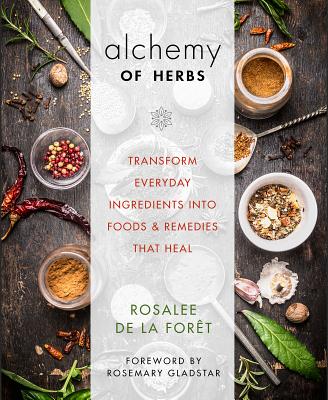
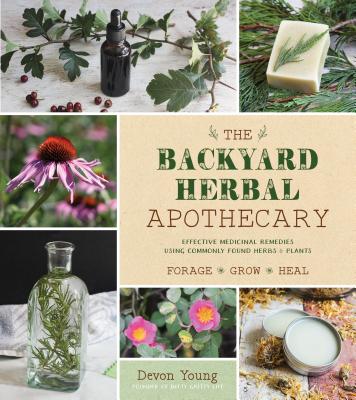
If you want to learn more about using wild plants to support health, I highly recommend the books Wild Remedies and The Backyard Herbal Apothecary. They’re sure to inspire you to put more plants to use in your home remedy toolkit.
Check out more wonderful herbalism books to add to your home library.

CAUTIONS USING MOTHERWORT
Generally, motherwort is safe for most people when used appropriately. However, pregnant women should avoid it as it can stimulate uterine contractions.
Because it’s used to regulate an overactive (hyper) thyroid, motherwort may not be the best choice for someone with an underactive (hypo) thyroid.
Though it should not cause drowsiness on its own, this monograph from Herbal Academy notes that it may amplify the effects of sedating medications.
Always consult with a healthcare provider before trying any new herb.
MOTHERWORT USES
While so many herbs are enjoyed in tea, motherwort’s *extremely* bitter flavor (like even top herbalists call it nauseating!) does not lend itself to an enjoyable tea. Most herbalists use it extracted in tincture, and some people take capsules. One of my friends swears by a nibble on a fresh leaf from the plant that grows by her front steps whenever she feels anxious about something.
Tinctures are the most popular way to use motherwort. Tinctures are concentrated extracts typically made with alcohol, though it’s possible to make alcohol-free tinctures as well. Here’s how to make a tincture from the Herbal Academy.
I’ll likely be writing up a motherwort tincture recipe soon, but tincture recipess are basically the same. If you’ve tried making stinging nettle tincture or lemon balm tincture, you’re just following the same steps. You’ll be taking fresh or dried motherwort and steeping it in vodka or brandy.
To make a motherwort tincture, stuff a jar full with fresh motherwort and cover it completely with alcohol (90 proof is recommended). Cap the jar and let it sit for 4 to 6 weeks, shaking it occasionally. Then strain the liquid into a dark glass bottle, squeezing out the herb before composting it.
Take a few drops of the tincture daily, but always start with a small amount to see how your body reacts.
IDENTIFYING MOTHERWORT
Always be absolutely sure you’ve positively identified any wild plant you intend to consume.
A thorough and trustworthy foraging guide is a must for every forager. Hands-down, the best foraging book I’ve ever come across is Sam Thayer’s Field Guide to Edible Wild Plants.
It’s incredibly comprehensive (and entertaining), though it’s also rather heavy because it covers so many plants.
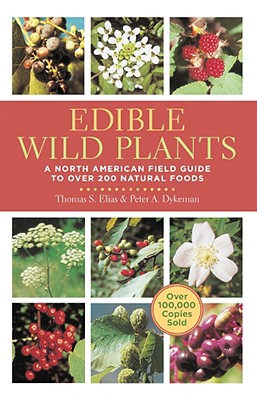
Here are some additional foraging books that include fewer plants, but may be easier to take along on foraging expeditions.

Motherwort is a pretty recognizable plant and easy to identify once you know what to look for.
Habitat
Motherwort is a hardy plant that thrives in a number of growing conditions. It prefers well-drained soil and may be found in meadows, along riverbanks, and in urban areas like parks and gardens. I see it growing in neglected areas by the street in my walks around town.
It can be pretty invasive, so if you decide to bring it into your garden, try to avoid letting it set seed, or collect the seeds and plant them sparingly (or use them medicinally, as described below).
Leaves and Stems

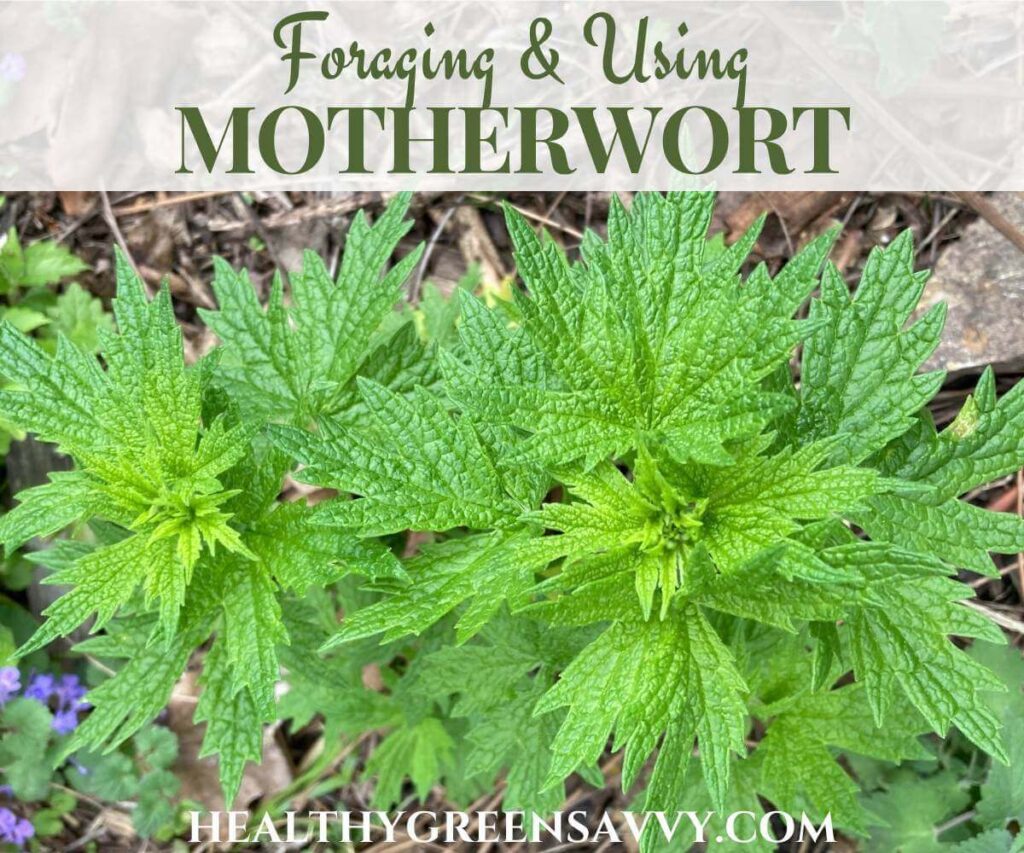
Motherwort has distinctive deeply-lobed leaves with jagged edges and a deeply textured surface, as you can see in the photo above.
The leaves grow in opposite pairs on either side of the stem and have 3 to 5 lobes.
The stems are square and can reach up to 5 feet tall. Mine grow in shadier conditions and don’t quite reach 3 feet. You can see fine hairs growing along the stem.
Though a member of the mint family, motherwort’s leaves don’t have much scent. While you can rip a leaf to identify lemon balm, catnip, or creeping Charlie, when crushed, motherwort leaves smell like other not especially fragrant leaves.
Flowers
The flowers are small, tube-shaped and pink to lilac, and grow in clusters along the upper part of the stem. They usually bloom in the summer, adding a touch of color to the plant.
Want to hone your plant identification skills? Herbal Academy offers numerous online courses in botany and foraging, as well as herbal medicine.
HARVESTING & USING MOTHERWORT
Gather motherwort just as it begins to flower. You might want to wear gloves as the flower calyx can be very prickly.
The parts used medicinally are the leaves and flowering tops. The stems are not thought to have much in the way of medicinal compounds.
Rico Cech notes that the seeds can be dried and tinctured as well.
FAQs
CAN I GROW MOTHERWORT IN THE GARDEN?
Absolutely! Generally considered ‘weedy,’ motherwort is easy to grow (though perhaps harder to control). It prefers well-drained soil but can tolerate a range of growing conditions, including part shade.
Once established, it’s quite low maintenance. Plus, growing your own supply means you always have fresh motherwort on hand.
Note that it can spread easily, so be sure to cut off flowers before it sets seed.
CAN I USE MOTHERWORT ALONGSIDE OTHER HERBS?
Yes, herbalists often use motherwort with other calming herbs like lemon balm and chamomile. You can try blending it with other herbs you enjoy to see what works best for you.
Pin to save this info on motherwort uses for later!

Disclaimers: Though HealthyGreenSavvy and EcoSavvy Writing LLC always aim to provide thorough and accurate information, we assume no liability or responsibility for any consequences, health issues, or symptoms that arise from ingesting or touching any plant described on this website. It is always the reader’s responsibility to ensure accurate plant identification and use multiple reputable sources to confirm. If you have any doubts about the identification of any plant, do not eat it.
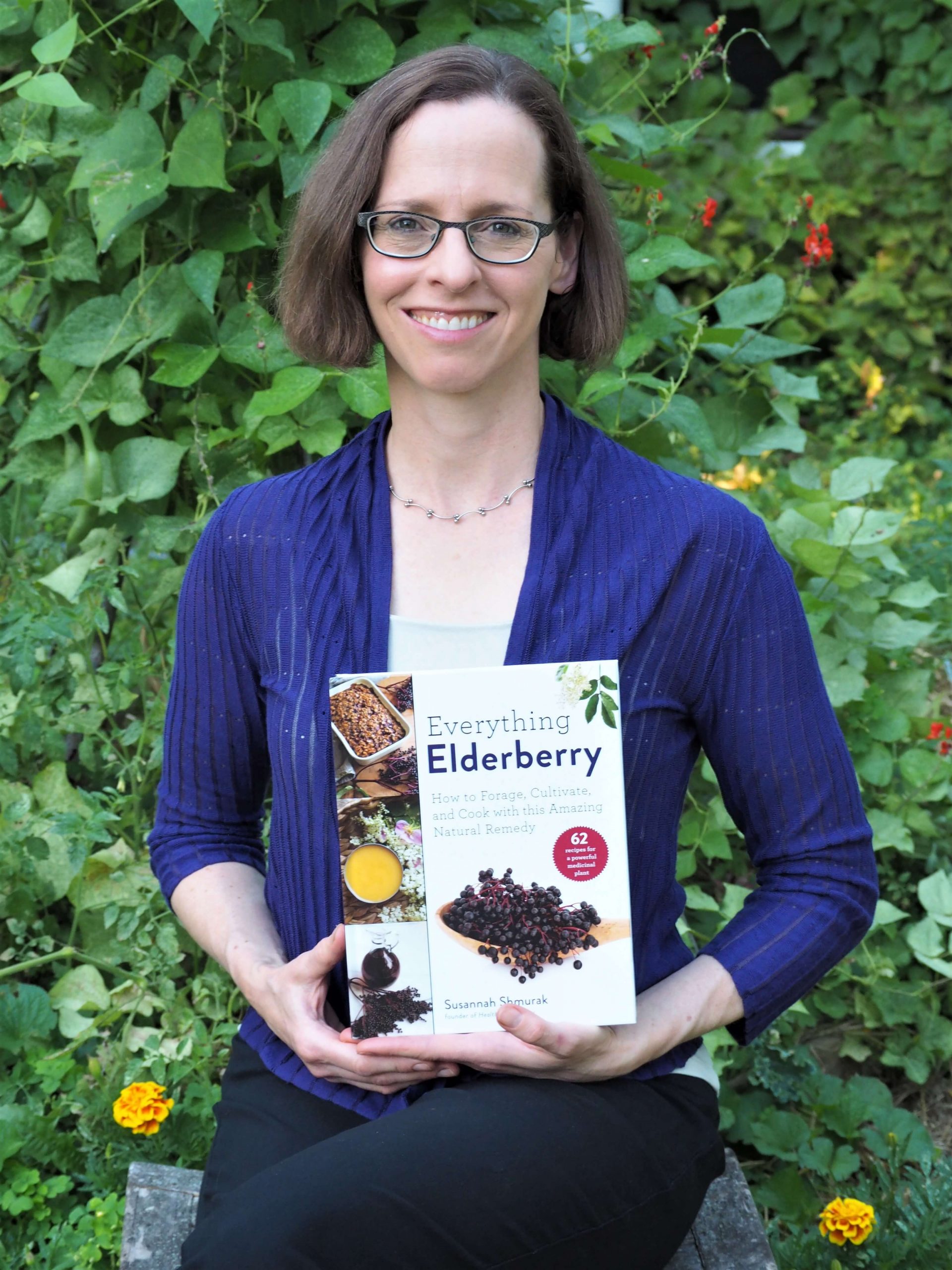
Susannah is a health and environmental writer focusing on gardening, foraging, medicinal plants, and sustainability. Her work has appeared in Mother Earth Living, Ensia, Northern Gardener, Sierra, and on numerous websites. Her first book, Everything Elderberry, released in September 2020 and was a #1 new release in holistic medicine, naturopathy, herb gardening, and other categories. Find out more and grab your copy here.
 Hi, I'm Susannah, a garden geek, energy nerd, and fan of healthy food and natural remedies. Need some simple, practical solutions for living healthier and greener? You've come to the right place! More about me and my green projects
Leave a Reply