
I may receive commissions from purchases made through links in this article at no additional cost to you. Read full disclosure.
Have you spotted the common mallow weed in your garden? Also known as cheese weed, Malva neglecta is one of many edible weeds you likely have growing in your garden that’s worth getting to know.
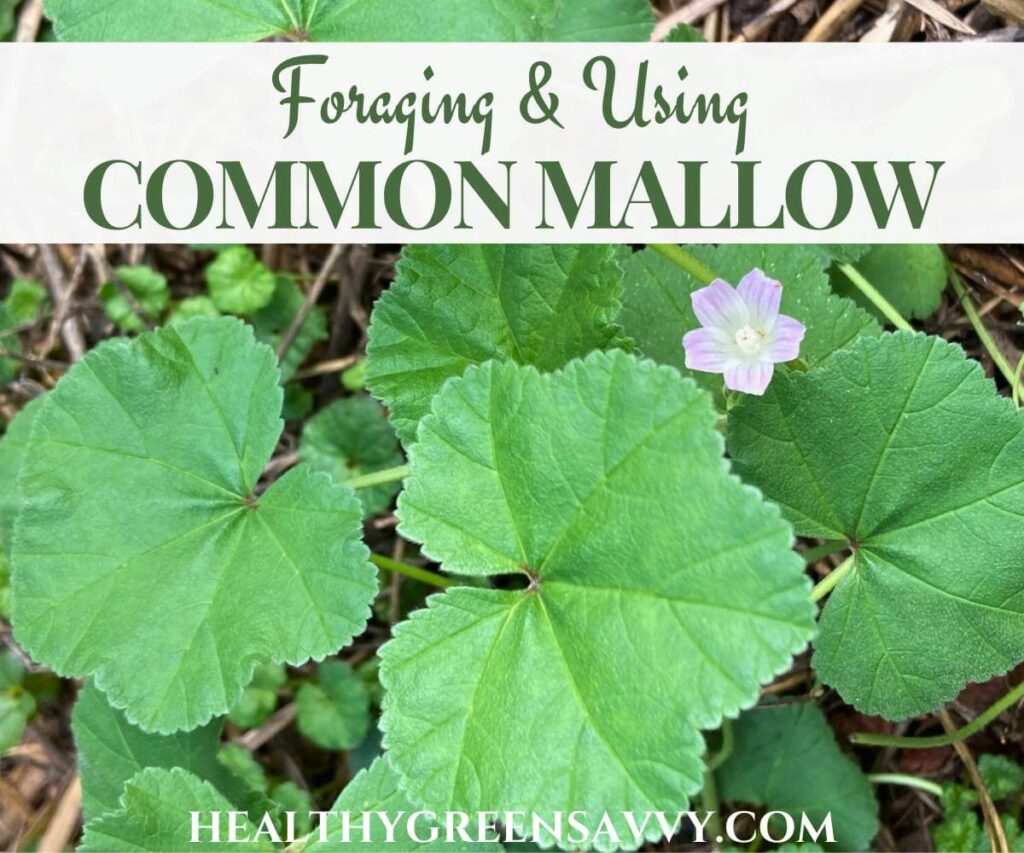
MALVA NEGLECTA / COMMON MALLOW, ONE OF MANY EDIBLE WEEDS IN THE GARDEN
If you’ve gardened for any length of time, you’ve likely pulled a fairly large number of weeds. As you’re likely aware, many of the wild plants commonly called weeds are edible, and many are also nutritious and delicious.
Before you toss these valuable wild greens in the compost, consider giving them a chance at your next meal. Some of the edible weeds I’ve discovered in my garden and now treasure as bonus garden crops include dandelions, purslane, wild violets, and lambs quarters (aka wild spinach).
Some of the technically edible but less delicious wild plants include Virginia waterleaf and velvetleaf, both of which appear in my garden every year without fail. I might use them if there’s nothing else worth harvesting, but that’s rarely the case.
I’d put mallow weed somewhere in the middle of the pack. It’s not the best edible wild plant in the garden, but it’s also far from the worst.
Here’s what to know about identifying and using common mallow weed.
WHAT IS COMMON MALLOW / MALVA NEGLECTA?
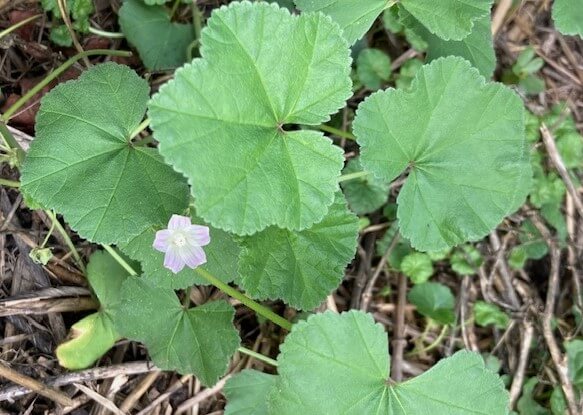
In the Malvaceae family along with marshmallow, okra, and hibiscus, malva neglecta shares the family’s mucilaginous (aka slimy) tendencies.
Also known as buttonweed, cheeseplant, or cheeseweed, mallow originated in Eurasia and was brought to North America by European settlers.
An annual plant, malva neglecta is among the many ubiquitous garden ‘weeds’ most folks don’t realize are edible and nutritious. Gardeners unwittingly toss of loads of free food in the compost every growing season.
Learn more about common mallow’s uses and benefits, and you’ll be sure not to make this mistake.
WHICH PARTS OF THE MALLOW PLANT ARE EDIBLE?
All parts of common mallow are edible: the leaves, flowers, stems, fruits, seeds, and roots can be eaten raw or cooked.
The leaves are mild flavored, but tend toward fuzziness. Add sparingly to salads or use as a cooking green.
FORAGING COMMON MALLOW WEED
The first rule of foraging is always to positively identify plants using ALL the features (growth habit, leaves, flowers, fruit, bark, and so on). The identifying features of common mallow weed are described in detail below.
A good foraging guide is absolutely essential. My favorite of all times is Sam Thayer’s Field Guide. It covers more plants than any other foraging guide, but that does make it rather heavy. A less comprehensive but lighter option for taking with you on your next foraging expedition is Edible Wild Plants by Thomas Elias and Peter Dykeman.
Check out additional info on the best foraging books to consider for your home library.

You might also consider taking a class like the Herbal Academy’s online foraging course to help you hone your plant identification skills.
IDENTIFYING MALVA NEGLECTA
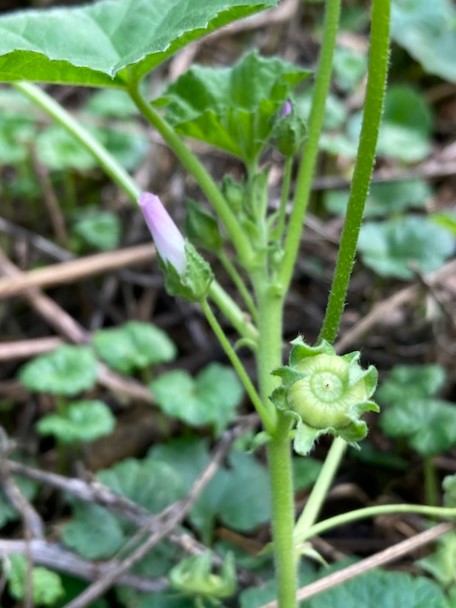
You’ll often find common mallow plants growing in your garden, or in other areas where soil has been disturbed.
Malva neglecta tolerates some cold, so I tend to discover it in my garden later in the season, when other plants have died back. But the bunnies absolutely love it, so I often find nothing but the stems left at that point.
MALVA NEGLECTA GROWTH HABIT
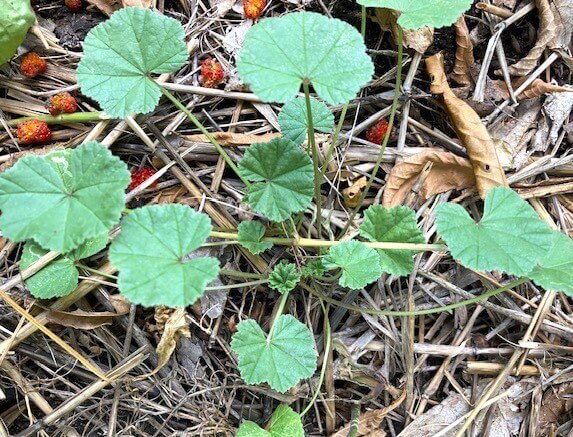
Common mallow has long stems that emerge from the center of the plant and tend to flop to the ground.
LEAVES
Leaves are ruffled and vaguely heart shaped with toothed edges. They have long petioles and are covered with fine hairs.
FLOWERS
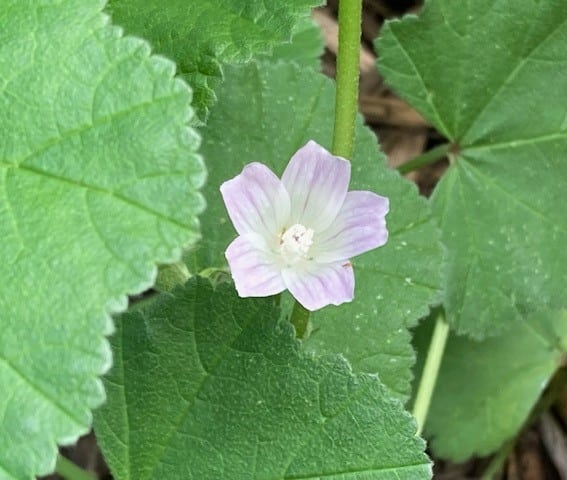
Common mallow flowers bloom spring through fall. They can be pinkish, white, or lavender in color with striation on their 5 petals. They’re among the many pretty weeds with pink flowers worth getting to know.
FRUIT
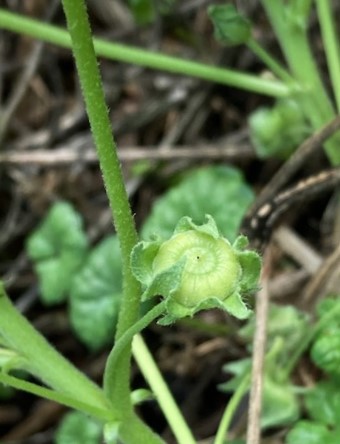
Mallow weed’s seed pods look like wheels of cheese, hence the name ‘cheeses’ applied to the species. Aren’t they cute?
MALVA NEGLECTA LOOK ALIKES TO KNOW
Some people think mallow looks like creeping Charlie, but when you get to know these two plants, you’ll instantly recognize the differences in the leaves, as well as the very different growth habits. Creeping Charlie forms a dense mat of ever expanding and rooting stems, while mallow maintains a rosette form emanating from a central point.

You can find additional information about identifying creeping Charlie as well as some of the best creeping Charlie uses. If you mistake a creeping Charlie plant for mallow, you’ll know right away by its powerful flavor. It’s an excellent and widely available medicinal plant, so it’s worth getting to know as well.
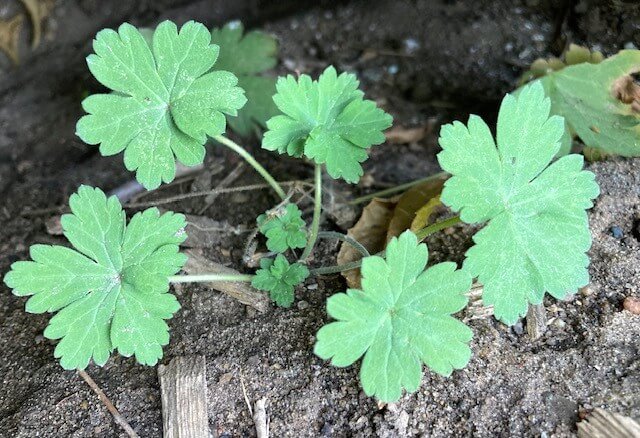
Mallow’s growth habit resembles that of wild geranium, especially when geranium plants are young. They have long stems coming from a central point, but the leaves have much deeper lobes and more deeply-toothed margins.
USES FOR COMMON MALLOW
FOOD USES
The most commonly-used parts of the mallow plant are the leaves, which like other members of the mallow family contain a fair amount of mucilage. Younger leaves will be more tender and less furry than older leaves. Though edible raw, older leaves work better cooked and can act as a thickener for soup. Sam Thayer says the tender stem tips can be used as well.
You can use mallow leaves raw in salads or add them to smoothies and pestos. The blossoms are among the many edible flowers to enjoy as a garnish or salad ingredient.
The fruits, or ‘cheeses’ can also be used as a cooked vegetable, though you’d be hard-pressed to get them in enough quantity to serve on their own. Toss what you can gather into your soup with the mallow leaves.
Simmering the roots in water can produce a liquid that reportedly may be beaten to create an egg substitute.
If you have a bunch of mallow leaves and need some ideas for how to use them, here are a few mallow recipes to try:
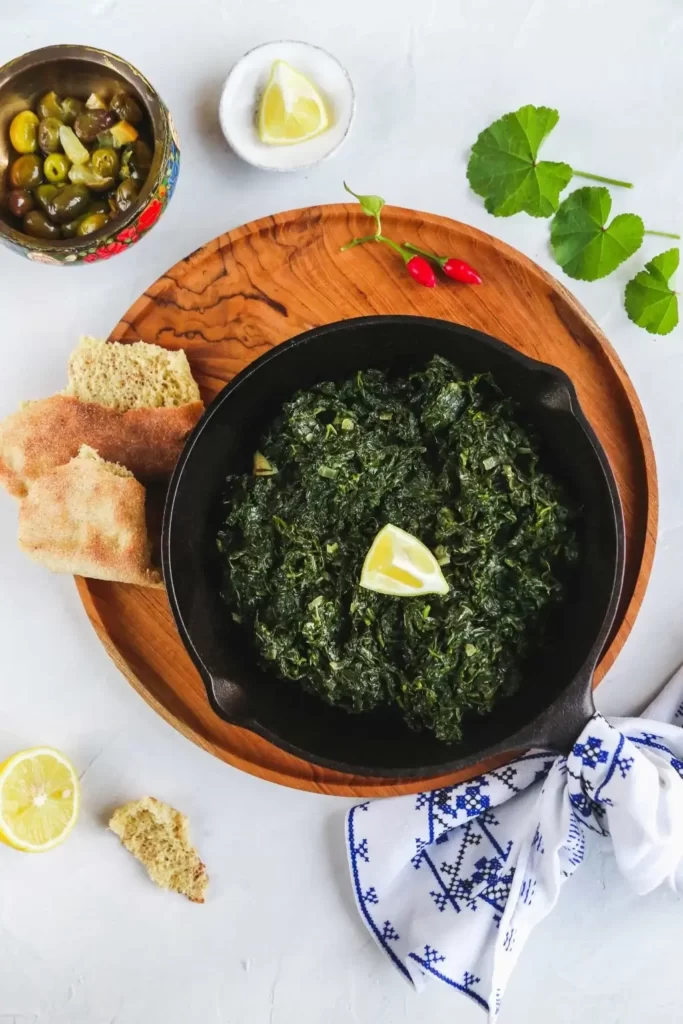
Sauteed Mallows from Little Sunny Kitchen
Stuffed Mallow Leaves from Hunt Gather Cook
Mallow Salad with Lemon and Olives from The Spruce Eats
Mallow Patties from Katherine Martinelli
Mallow Leaf Soup from The Matbakh
MEDICINAL USES
Malva neglecta has several medicinal uses as well. In the Peterson Guide to Medicinal Plants and Herbs, Stephen Foster and James Duke call the leaves ‘highly nutritious’ and report that tea made from leaves or roots is “soothing to irritated membranes, especially of the digestive system.”
They also note that the tea is anti-inflammatory and has been used for angina, bronchitis, and stomachaches.
As a demulcent, common mallow weed is also considered one of many helpful herbs for cough. You could include mallow leaves in a homemade cough syrup along with violet leaves, another excellent demulcent wild plant.
An infusion of mallow leaves can be used internally or externally. It’s typically made as a cold infusion to preserve its demulcent properties.
In A Modern Herbal, Maud Grieve writes,
Maud Grieve, A Modern Herbal
The use of this species of Mallow has been much superseded by Marsh Mallow, which possesses its valuable properties in a superior degree, but it is still a favourite remedy with country people where Marsh Mallow is not obtainable. The roots are not considered of much value compared with those of the Marsh Mallow, and as a rule the leaves and flowers are used only, mainly externally in fomentations and poultices. The infusion has been a popular remedy for coughs and colds, but the internal use of the leaves has fallen into disuse, giving place to Marsh Mallow root.
Herbalist Matthew Wood concurs, writing that common mallow “can be used as a substitute for marshmallow…though it is not usually considered as powerful.” He notes that the leaves are used as a poultice for “infected finger wounds, skin inflammation, insect bites, and bee stings.” He reports that mallow “draws out inflammation and pus, and is therefore beneficial for teen acne, infected and cystic acne, and boils.” Susun Weed recommends using it as a spit poultice for wounds.
If you’re as fascinated by plant medicine as I am, be sure to check out the best herbalism books to consider adding to your reference collection.
Herbal Academy also has a range of excellent courses for everyone from beginners to experts.

Looking for more useful wild plants? Besides the many mentioned above, here are some additional ones to explore:
- Chickweed
- Wood sorrel (aka sour grass)
- Strawberry blite
- Wild black raspberries
- Chokeberries
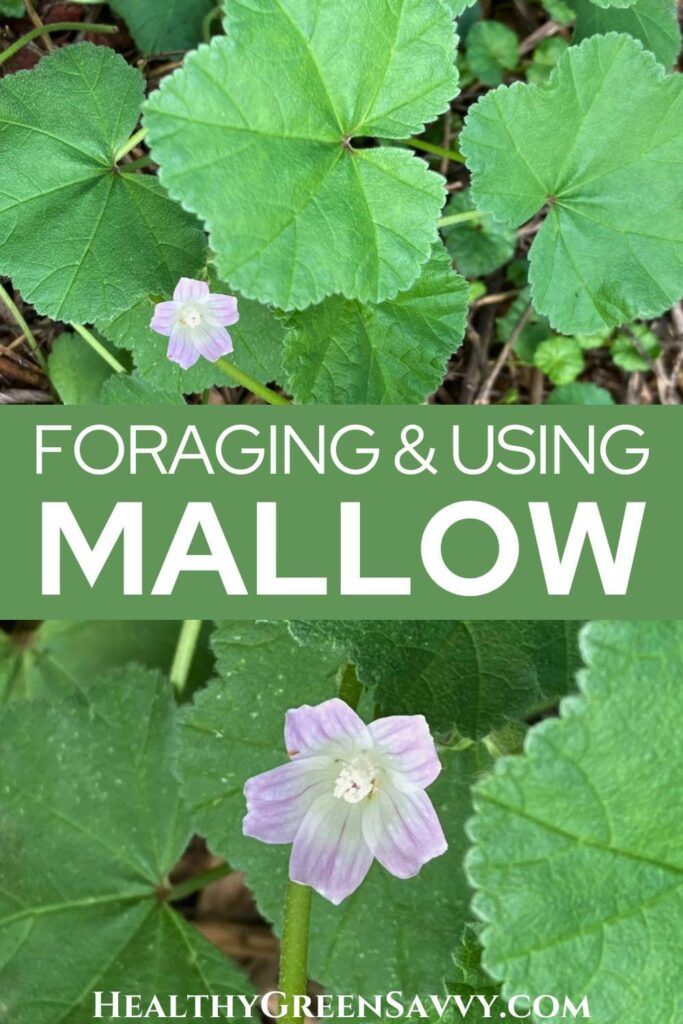
Save this info on common mallow weed / malva neglecta for later!
Disclaimers: Though HealthyGreenSavvy and EcoSavvy Writing LLC always aim to provide thorough and accurate information, we assume no liability or responsibility for any consequences, health issues, or symptoms that arise from ingesting or touching any plant described on this website. It is always the reader’s responsibility to ensure accurate plant identification and use multiple reputable sources to confirm. If you have any doubts about the identification of any plant, do not eat it.

Susannah is a health and environmental writer focusing on gardening, foraging, medicinal plants, and sustainability. Her work has appeared in Mother Earth Living, Ensia, Northern Gardener, Sierra, and on numerous websites. Her first book, Everything Elderberry, released in September 2020 and was a #1 new release in holistic medicine, naturopathy, herb gardening, and other categories. Find out more and grab your copy here.

 Hi, I'm Susannah, a garden geek, energy nerd, and fan of healthy food and natural remedies. Need some simple, practical solutions for living healthier and greener? You've come to the right place! More about me and my green projects
Leave a Reply