Products we use every day contain scores of unregulated industrial chemicals harmful to your health, and not enough people are aware of the dangers they pose. Learn how to reduce your chemical exposure and protect yourself from ingredients linked to hormone disruption, cancer, and more.

Every time you shampoo, wash your hands, or put on lotion, you may inadvertently expose yourself to some of the more than 80, 000 industrial chemicals currently in use in the United States.
You read that right. Eighty thousand. But here’s the really astonishing part: only a few hundred of these chemicals have been studied for safety.
Why Are Unregulated Chemicals in My Shampoo???
We go about our business generally giving little thought to what we put on our skin (and eventually send down the drain) because we assume that in this day and age, measures exist that ensure our safety. While this may be true in a number of areas of our lives (think traffic lights, pasteurization), chemical regulations in the United States do little to protect us.
Here’s why: U.S. chemical manufacturers don’t have to prove that compounds are safe before putting them in products millions of people use daily. Testing happens only after the fact, when people are unknowingly exposed, and independent studies evaluate the health consequences.
In some cases compounds shown to be hazardous are voluntarily phased out and in others they’re banned. Minnesota just became the first state to ban triclosan, an ingredient linked to endocrine disruption and antibiotic resistance that we encounter in antibacterial soaps, toothpaste, and numerous other consumer products. We’ve been exposing ourselves to triclosan for years, and while many companies have voluntarily phased it out, it still remains in plenty of products, as well as in our water supply.
The more forward-thinking European Union has for many years followed what’s known as the precautionary principle, and requires manufacturers to prove the safety of a product before it goes to market. In the U.S., the FDA only responds to acute problems reported after these products reach consumers.
One of the many problems with this approach: We simply can’t know the effects of long-term low-level exposure to these chemicals. Or the nearly-impossible to study interactions between the hundreds of chemicals we’re exposed to every day.
Your moisturizer or shampoo may contain small amounts of suspected carcinogens or hormone disruptors. But proving that this exposure causes fertility issues, developmental problems, obesity or cancer is well nigh impossible.
Our babies now enter the world pre-polluted, with traces of nearly 300 synthetic chemicals detectable in their cord blood. The breast milk they drink likewise contains chemicals absorbed by their mothers.
The CDC has begun monitoring exposure in the general population and has found that most subjects have detectable levels of phthalates, parabens, and numerous other synthetic chemicals.
Our notoriously “broken” Toxic Substances Control Act (TSCA) is currently being reevaluated in Congress. Bill s. 725, proposed by Barbara Boxer, would amend the TSCA to follow the more precautionary EU model and require companies to demonstrate the safety of chemicals before bringing them to market.
In the likely event that it doesn’t pass, for the foreseeable future protecting yourself and your family from the array of poorly-understood chemicals in our lives remains your responsibility. Below are some tools to help.
Related: How to Design a Healthy Home ~ An Architect’s Blueprint for Wellness
Tox-In, Tox-Out: What to Know to Keep these Chemicals Out of Your Beauty Products
The Environmental Working Group is a fantastic resource for information on toxic substances. So far their Skin Deep Cosmetics Database includes over 60,000 personal care products that you can search to find the safest alternatives.
The least toxic products get a score of 0, the most a 10. Look up your favorite lotion, sunscreen, deodorant, and your kids’ bath products to check that you’re not unwittingly exposing yourself to chemicals linked to increased cancer risk, fertility problems, or organ toxicity.
You can also browse a whole category and pick options with the lowest scores. They even have an app for your phone so you can check out safety data while you shop.
Some of what you find might surprise you. Several popular “natural” brands (even pricey department store lines) include products with higher scores, while many inexpensive drugstore brands scored lower.
If something you’ve been using has ingredients of higher concern, you can probably find a satisfactory replacement with a lower score without too much trouble.
Pro tip: Your home has lots of other sources of chemicals that may affect your health. The good news is that many common houseplants can help remove chemicals like formaldehyde and VOCs. Learn about the best plants for cleaning indoor air.
Try DIY Beauty Products to Reduce Chemical Exposure
Another easy way to reduce chemical exposure is to use ingredients from your kitchen. Almond, olive, and coconut oils can be used as moisturizers and hair masks. Apple cider vinegar works as a hair rinse. DIY recipes for food-based cleansers, lotions, and deodorants abound on the internet.
Here are some great homemade deodorant recipes to try. Google DIY+whatever product you’re looking to replace, and decide which recipes might be a good fit for you. And check out some of the terrific recipes for DIY bodycare I’ve pinned from around the blogosphere on my homemade bodycare Pinterest board.
Here’s a crazy-easy recipe for DIY bath salts that lets you skip all the chemical additives. They make great gifts, also!
Or try this super simple homemade sugar scrub — made with ingredients you probably already have in your kitchen!
Or consider signing up for Herbal Academy’s Botanical Skin Care course and learn how to use nourishing herbs to make salves, lotions, and more.

Not up for making safe skincare for yourself? Pronounce Skin Care carries tons of handmade body and hand lotions. You can also find some wonderful homemade beauty products on Etsy, everything from fantastic zero waste shampoo bars to sunscreen. Here’s more on safer sun protection.
Don’t Freak Out Over Chemicals in Your Beauty Products, Just Do Your Best to Reduce Exposure
Can we expect to completely rid our lives of chemicals? Of course not. Unfortunately, we live in a world riddled with toxins that come into our homes in cleaners, toys, furniture, food, and water. Many persist in the environment long after they’ve been banned, and they turn up in the chemical profiles of people who have had no known contact with the substances.
We shouldn’t drive ourselves crazy trying to eliminate them. Until common sense prevails and industries are prevented from using dangerous chemicals, no matter how “green” our practices, we’re still likely to get exposed to toxins.
But if you want to try to limit the effects of the vast science experiment we’re all conducting on ourselves, being savvy about personal care,cleaning products, and the water you drink can greatly reduce your family’s exposure to questionable chemicals. Upcoming posts on plastics and household cleaners will help you limit your exposure even further.
Outraged by the triumph of industry interests over human (and environmental) health? Take action to help tighten regulations on the chemical industry. Join the Environmental Working Group’s mailing list to be notified of petitions and opportunities to contact your representatives.
What’s your take on toxics? Have you taken steps to reduce chemical exposure?
–> Interested in the most effective ways to reduce your chemical exposure? Be sure to read these posts:
- How to choose an effective water filter
- Finding the best organic mattresses
- Why to avoid canned food
- Why to get a shower filter
Further Resources
Great overview film from The Story of Stuff
Campaign for Safe Cosmetics
Scientific American article on cosmetics safety
Environmental Working Group’s overview of endocrine disruptors
Pin to save this important info on how to reduce chemical exposure!

Follow me on Pinterest or Facebook for the latest health updates and recipes for DIY bodycare from some crafty green bloggers!
Photo credits: Sobredo, Nina Nelson, Martin Roell, myllissa, Meal Makeover Moms via Flickr
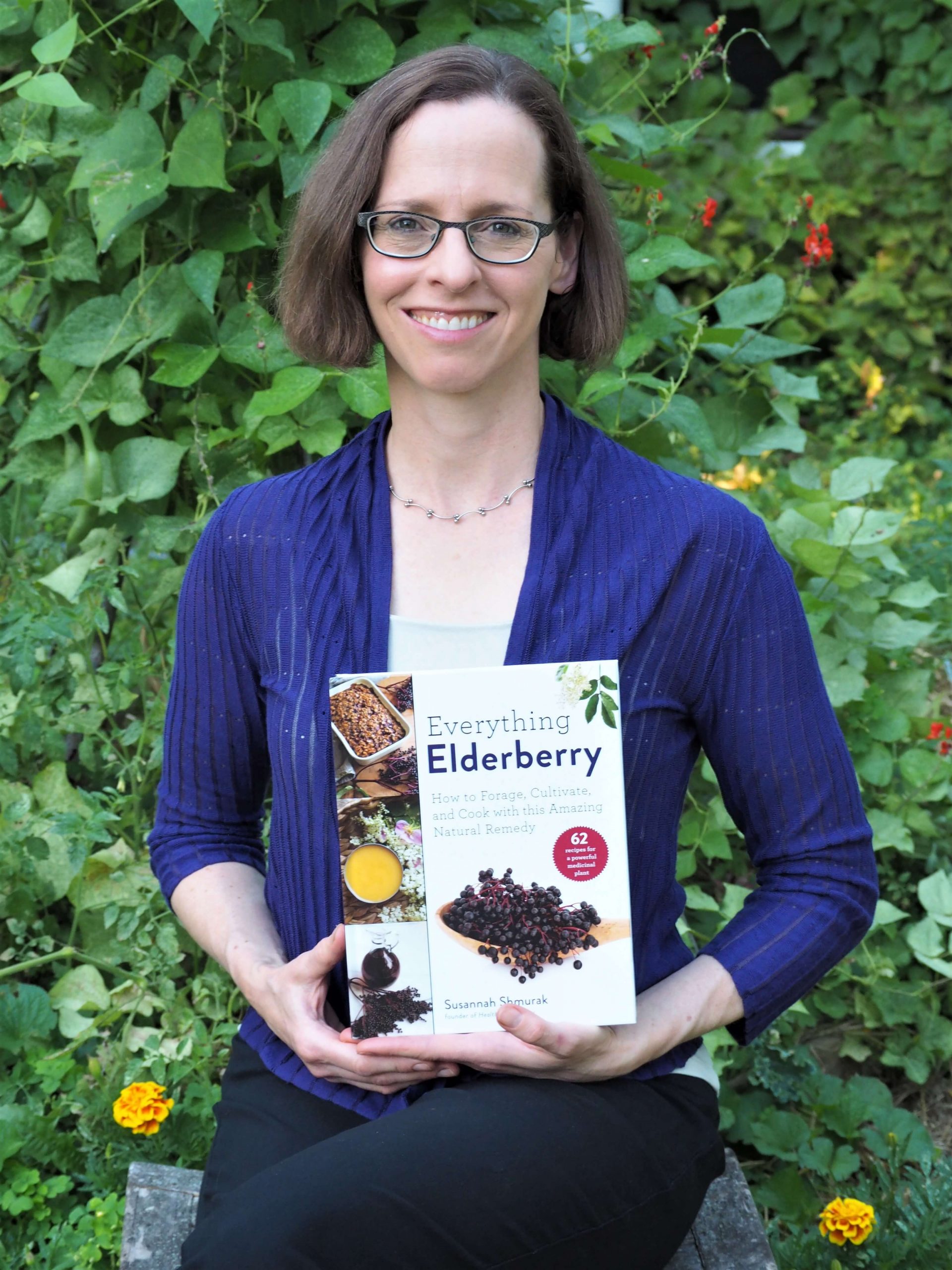
Susannah is a health and environmental writer focusing on gardening, foraging, medicinal plants, and sustainability. Her work has appeared in Mother Earth Living, Ensia, Northern Gardener, Sierra, and on numerous websites. Her first book, Everything Elderberry, released in September 2020 and was a #1 new release in holistic medicine, naturopathy, herb gardening, and other categories. Find out more and grab your copy here.

 Hi, I'm Susannah, a garden geek, energy nerd, and fan of healthy food and natural remedies. Need some simple, practical solutions for living healthier and greener? You've come to the right place! More about me and my green projects