

Did you know that some of the most nutrient-rich foods on the planet can be gathered for free in your yard or neighborhood? Find out about the edible wild greens that may be growing near you right now.

Want to expand your options for getting more healthy greens into your diet? Get ready to have some fun with edible wild greens you can forage throughout the season. Here are dozens to look for from spring till frost, plus the best ways to preserve them so you can enjoy them right through the winter.
- WHAT TO KNOW ABOUT FORAGING WILD GREENS
- TOP WILD GREENS TO FORAGE
- HOW TO ENJOY WILD GREENS
WHAT TO KNOW ABOUT FORAGING WILD GREENS
It’s absolutely critical to positively identify any plant you’re foraging using ALL the features: growth habit, leaves, flowers, fruit, bark, etc. The identifying features of common mallow weed are described in detail below.
A thorough and trustworthy foraging guide is essential. Without question THE best foraging book to have on hand when you’re seeking out wild greens is Sam Thayer’s new Field Guide to Edible Wild Plants. If you’re in his neck of the woods, you can even take a class with him.

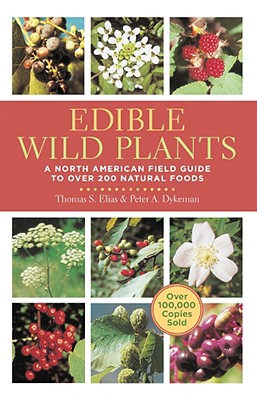
Thayer’s book covers more plants than any other single guide, but that does make it rather heavy. Less comprehensive but also lighter for lugging on your next foraging expedition is Edible Wild Plants by Thomas Elias and Peter Dykeman.
Learn more about the best foraging books to consider adding to your bookshelf.
TOP WILD GREENS TO FORAGE
Many of the best edible wild greens appear in spring, just when we’re craving fresh, green things, and very little in the garden is ready to harvest yet. Do try some of the fastest growing vegetables, though, if you want to have delicious garden veggies as early in the season as possible.
Later in the season there are fewer tasty wild greens, which is just as well when there are so many delicious berries to forage and the garden is in full swing.
Below are some of the best ones to seek out, along with some additional options worth knowing about.
VIRGINIA WATERLEAF

While not the most flavorful wild plant, Virginia waterleaf is a neutral-tasting early plant worth knowing because it’s ready to forage well before the other edible wild plants of spring. Its main virtue is how abundant it is before anything else is really growing. Best used in cooked dishes like soups and frittatas rather than raw.
Learn more about identifying and using Virginia waterleaf.
DANDELION

One of the most nutritious wild plants you’re likely to find growing in your yard, dandelion leaves as well as flowers and roots have numerous uses, from salads and drinks to desserts.
I’ve collected over 35 dandelion recipes in a post on uses for dandelion. Be sure to check it out!
If you’re a fan of foraged teas, here’s an easy recipe for dandelion tea to try.
Dandelion greens will be tastiest if picked before the plant flowers, but you can cook older dandelion greens to make them more palatable. They work nicely as a sauteed green and can be added to soups and casseroles.
Dandelion relative chicory has similar-tasting edible leaves that get very bitter later in the season.
CHICKWEED
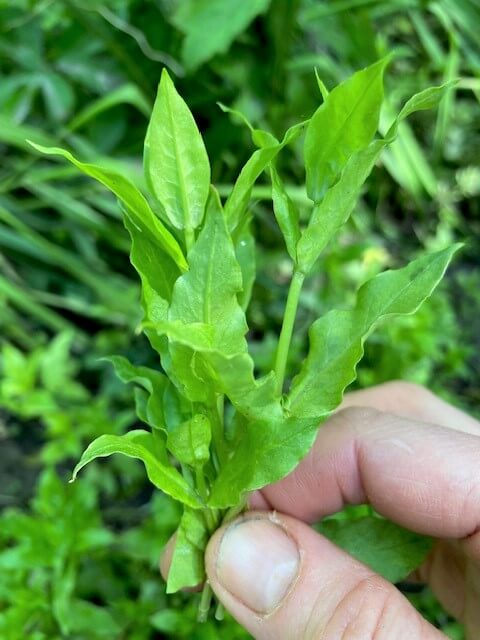
Early, tasty chickweed is a tender green to enjoy when the weather is cool. A pleasant salad green, you can use it in sandwiches and cooked dishes as well. It also has many useful medicinal properties.
Learn more about identifying and using chickweed.
NETTLES

Stinging nettle is a prized spring plant that’s both a nutritious green and an excellent tonic herb. Closely- related wood nettle is generally thought to be better tasting and just as nutritious.
Find out more about foraging Canadian wood nettle and see what you think.
LINDEN LEAVES
Those newer to foraging often don’t realize how much one can forage from trees growing all around them. Linden is a key tree to know, with delicious, tender leaves you can enjoy as a salad green.
One of many medicinal trees worth learning about, when linden’s leaves become too tough to enjoy, be sure to collect plenty of the incredible flowers, which are fantastic in tea and have medicinal properties worth exploring.
CREEPING BELLFLOWER
You can help beat back this invasive plant by eating it in quantity. Sam Thayer lists creeping bellflower among the “best kept forager’s secrets.”
He counts bellflower as one of his “favorite fried greens” despite what he describes as their “slight fishy taste.”
Here’s info on identifying bellflower from the Minnesota Horticultural Society.
The roots are also prized among foragers in the know.
VIOLETS

Wild violets have mild, pleasant-tasting leaves that are best when they’re young. You can add them to salads along with the pretty edible flowers. They can also be used in cooking, though be aware they have a high mucilage content, making them one of the best herbs for coughs, but also a bit on the slimy side when cooked.
Find out more about wild violet leaf and then check out our collection of wild violet recipes for creative ways to use these lovely spring greens.
GARLIC MUSTARD

Invasive garlic mustard is an abundant and tasty plant, and you’re doing the ecosystem a favor by pulling it up and eating it. Just go easy. It’s higher in cyanogenic compounds than the other greens on this list, so it’s not something to gorge yourself on. Find out more about identifying and using garlic mustard in this collection of garlic mustard recipes.
HAWTHORN
Hawthorn’s early leaves are considered a spring treat, as they’re tender and mild-tasting. They work well in salads.
The leaves, flowers, and berries of the hawthorn tree are also useful medicinally. They’re noted for their anti-inflammatory properties and are often recommended for promoting heart health.
Note that hawthorns are notoriously difficult to identify. You can find identification details in this hawthorn berry tea recipe.
LAMBS QUARTERS

Also known as wild spinach, lambs quarters is an abundant and versatile green you can use through much of the growing season. Young leaves can be used fresh in salads, and whole tips can be cooked in soups, casseroles, and stir-fries.
Some foragers consider the stem of lambs quarters its own vegetable. Explore our collection of lambs quarter recipes for more details and inspiration.
PURSLANE
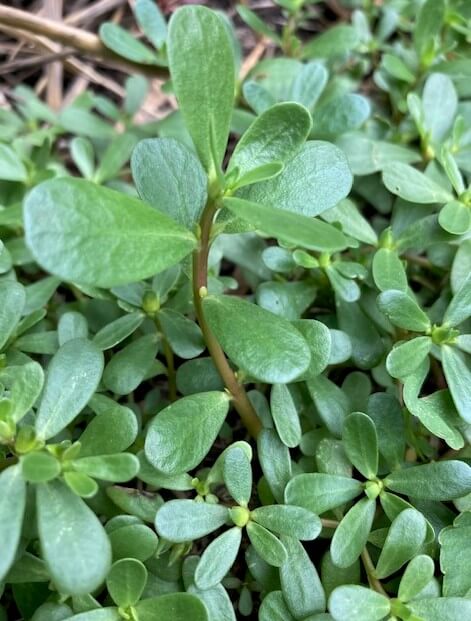
Purslane is one of the tastiest, most nutritious wild plants you can harvest, and you’ll probably find it lurking in your garden beds or among the you-pick crops at your CSA. When you do, pick plenty and try them in these tasty purslane recipes from around the world. I’m partial to this anti-inflammatory smoothie recipe with purslane.
Here’s what to know about how to identify purslane and how to distinguish poisonous spurge vs purslane.
MULBERRY LEAF
While mulberries are a highlight of the summer berry-foraging season, the leaves are ready to enjoy much earlier. Thayer recommends them as a salad green when they’re very young, especially those of the American mulberry.
You can also make mulberry tree leaf tea, which has a lovely, smooth flavor and is rich in antioxidants.
Later in the season be sure to come back for mulberries! Here’s what to know about identifying mulberries.
COMMON MALLOW
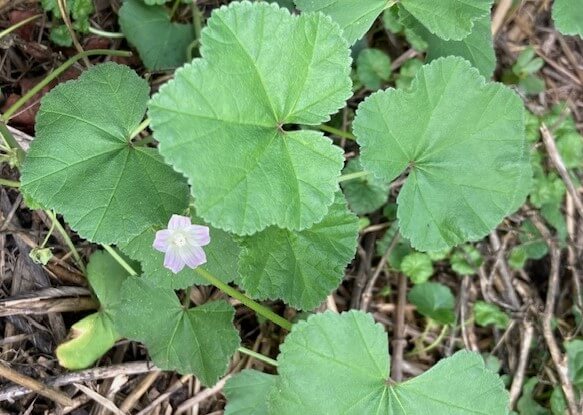
Common mallow (Malva neglecta) leaves are one of the more mucilaginous (in other words, slimy) greens you’ll find growing wild, so use them somewhere you won’t mind that, like soup.
Mallow leaves are best used young, when they’re more tender and have fewer hairs. Use older leaves cooked.
Mallow is one of several weeds with pink flowers you’re likely to find growing in your garden this season.
SHEEP SORREL
Like other members of the rumex family, sheep sorrel (Rumex acetellosa) contains oxalic acid and has a characteristic lemony flavor. Young leaves are tastiest, but older leaves can be used if thoroughly cooked.
DOCK
Yellow dock and broad leaved dock are also members of the rumex family and share the sour flavor of oxalic acid with sheep sorrel.
As with so many wild greens, the early leaves are the most tender and pleasant to eat. Older leaves can be cooked, and you can remove the petiole and cook it separately and use it as you would rhubarb.
PIGWEED
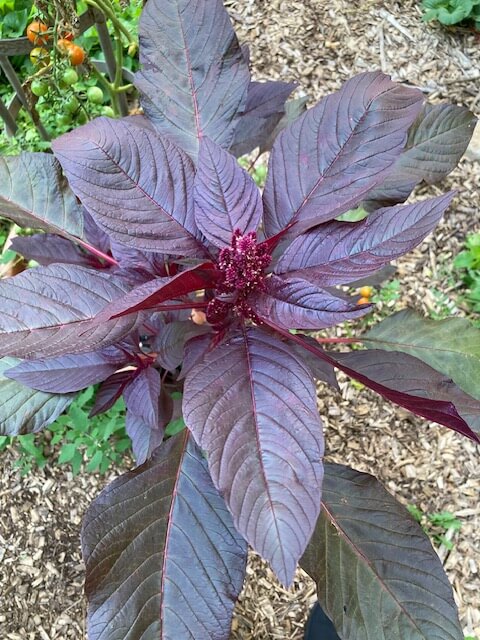
Sometimes called redroot pigweed, this member of the amaranth family is a common garden weed most folks don’t realize is edible. In many parts of the world, it’s a prized vegetable, as it’s rich in vitamins and minerals. Each plant can also produce thousands of nutritious edible seeds that are enjoyed as a hot cereal or popped as a snack.
Like other amaranths, you can use the mild-tasting young leaves raw or in cooked dishes. You’ll find it featured in cuisines from Asia to South America. This collection of amaranth leaves recipes should give you plenty of ideas for how to cook with this versatile plant.
I will probably write an ID post on pigweed at some point, but till then, here’s a good guide to use.
DAMES ROCKET
Dames rocket is another invasive plant to know. Often confused with phlox, you can tell these plants apart by counting the petals on the flower. Dames rocket has 4 petals, while phlox has 5.
The name ‘rocket’ gives you a clue about this plant’s flavor and lineage. Its young leaves make a good substitute for its cousin arugula (which is often called ‘rocket’). Older leaves are best used cooked.
The flowers are very tasty, too. I often just pick them off and eat them, but you could use them as a salad garnish as well.
MINERS LETTUCE
This succulent green is beloved by foragers for early spring salads. High in vitamin C, miners lettuce got its name as a plant much used by the gold miners in California in the mid-nineteenth century.
I haven’t found it growing in my area, and I’ve read such good things about it that I may start growing it in my garden.
PLANTAIN

Plantain is a common wild plant that you’ll often see popping up in compacted soil. It’s a go-to medicinal herb for cough and skin issues, and the youngest leaves can also be eaten, though they don’t have much flavor. Older leaves will be tough and stringy.
Some people have tried making chips (like baked kale chips) with plantain leaves, but my experiments with them didn’t prove very tasty. You can try for yourself, or use young plantain leaves in cooked dishes or smoothies.
OTHER EDIBLE WILD GREENS WORTH KNOWING
GROUND IVY / CREEPING CHARLIE

Creeping Charlie is a rather strong-tasting member of the mint family, and while many sources mention cooking it like spinach, I urge caution before cooking up quantities of the stuff in your favorite soup recipe, as it may lend a licorice-y-mint flavor you might not enjoy. Experiment and see what you think.
But even if you don’t use it as a green, creeping Charlie is worth knowing about because it’s medicinally useful and greens up before almost everything else. An often-overlooked medicinal plant (also known as ground ivy), creeping Charlie can be made into a strongly-flavored tea you may develop a taste for. It can also be extracted into alcohol and vinegar. Learn more about creeping Charlie uses and give it a try!
CLOVER
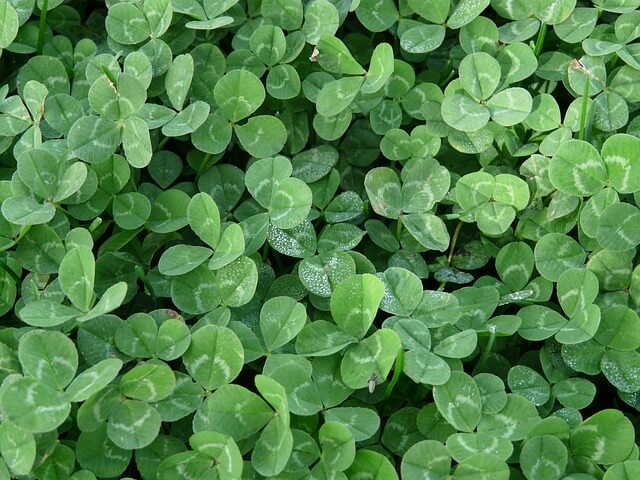
Though perhaps not everyone’s first choice for wild greens, it’s worth knowing that clover leaves are edible. The young leaves will be most tender, and you can use small amounts of older leaves in cooking. They’re fairly nutritious but shouldn’t be eaten in large quantities to avoid stomach upset. Here’s more on edible clover.
YELLOW WOOD SORREL
The tiny leaves of yellow wood sorrel (known fondly by many foragers as sour grass) won’t generally be enough to add noticeably to a meal, but they’re flavorful and enjoyable to munch on while you’re working in the garden.
Unlike most wild greens, they’re not at all bitter, and even kids will enjoy nibbling them. Add them to salads or toss in smoothies.
Harvesting tip: Don’t pick the leaves separately. Harvest a whole stem and nibble the leaves right off the plant.
STRAWBERRY BLITE
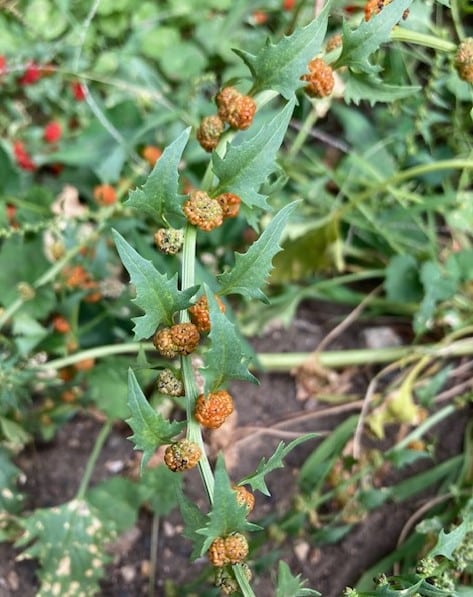
Also known as strawberry spinach, this lambs quarter relative also has abundant edible green leaves. They tend to be more tender and mild in flavor than those you’ll harvest from lambs quarter plants.
I find their flavor preferable to lambs quarters, which have a mineral-y coating that doesn’t always appeal. But the leaves of strawberry blite are fewer and smaller, so much harder to harvest in quantity.
Read more about identifying and foraging strawberry blite.
HOW TO ENJOY WILD GREENS
How best to prepare your edible wild greens? It depends partly on the plant and partly on your palate.
Wild greens will generally taste best when picked young. Young leaves of dandelion and violets, for example, can be added to salads and sandwiches and consumed raw. Succulent purslane is great raw in salads and makes an excellent addition to your favorite healthy smoothie recipes.
Be aware, though, that greens with some mucilage, like mallow, violet, or purslane, can get kind of slimy when cooked. That can be helpful for thickening soups, but might not be what you want in a side dish of greens.
Older leaves and leaves from plants growing in poor soil or drought will have more bitter compounds.
Older, tougher greens generally benefit from some cooking, either in soups or casseroles, or sauteed in some oil with garlic or spices.
If you’re not a fan of bitter flavors or the greens you’ve got are especially bitter, you can trying lessening the bitterness of your foraged greens in a few ways:
- Blanch them in salted water before cooking
- Use something acidic, like vinegar or lemon juice to temper the bitterness
- Sprinkle the finished dish with salt
- Pair them with strong flavors like garlic or something sweet like pieces of orange or dried cranberries
- Braise the greens to slowly make them tender and remove bitter flavors
- Boil and discard the cooking water 2 or 3 times
PRESERVING WILD GREENS
While you probably want to eat most of your foraged greens fresh, if you want to preserve some of that wild goodness for later use you have two main options, with some variety about how you go about doing them.
Dehydrating:
You can dry pretty much any green, wild or otherwise, in a dehydrator, and the less juicy types you can air dry as long as your air isn’t humid. Dried greens can be crumbled into dishes like casseroles and soups, or you can grind the dried leaves to make a wild greens powder for smoothies.
Dried leaves can also be used to make medicinal teas, like wild violet tea, dandelion leaf tea, or mulberry leaf tea. I dry these as well as creeping Charlie, goldenrod, and other medicinal herbs to have on hand for winter ailments.

I highly recommend a collapsible drying screen. I love that my screen has tons of space for drying nthe many different herbs I gather each season but can be folded up into a small circle that I can tuck away out of season.
Freezing:
You can blanch and freeze whole leaves for later use in smoothies and soups, or freeze a pesto in ice cube trays. Nettle and garlic mustard are often used in tasty wild pestos.
You can find additional details about ways you can preserve your foraged greens in this guide to preserving herbs.
You’ve read this far, so you obviously love plants. Share your love with the world with one of our t-shirts for plant lovers!


Need more foraging inspiration? Check out these forager favorites:
- Wild black raspberries
- Foraging spruce tips
- Identifying and foraging mulberries
- Foraging elderflower
- Identifying hackberry fruit
Save this info on the best wild greens for later!

Disclaimers: Though HealthyGreenSavvy and EcoSavvy Writing LLC always aim to provide thorough and accurate information, we assume no liability or responsibility for any consequences, health issues, or symptoms that arise from ingesting or touching any plant described on this website. It is always the reader’s responsibility to ensure accurate plant identification and use multiple reputable sources to confirm. If you have any doubts about the identification of any plant, do not eat it.

Susannah is a health and environmental writer focusing on gardening, foraging, medicinal plants, and sustainability. Her work has appeared in Mother Earth Living, Ensia, Northern Gardener, Sierra, and on numerous websites. Her first book, Everything Elderberry, released in September 2020 and was a #1 new release in holistic medicine, naturopathy, herb gardening, and other categories. Find out more and grab your copy here.
 Hi, I'm Susannah, a garden geek, energy nerd, and fan of healthy food and natural remedies. Need some simple, practical solutions for living healthier and greener? You've come to the right place! More about me and my green projects
Leave a Reply