
I may receive commissions from purchases made through links in this article at no additional cost to you. Read full disclosure.
If you love experimenting with new flavors or want more options for working herbs into your day-to-day, herbal vinegars are a brilliant and tasty option. Infusing vinegar with herbs is easy and fun, too!
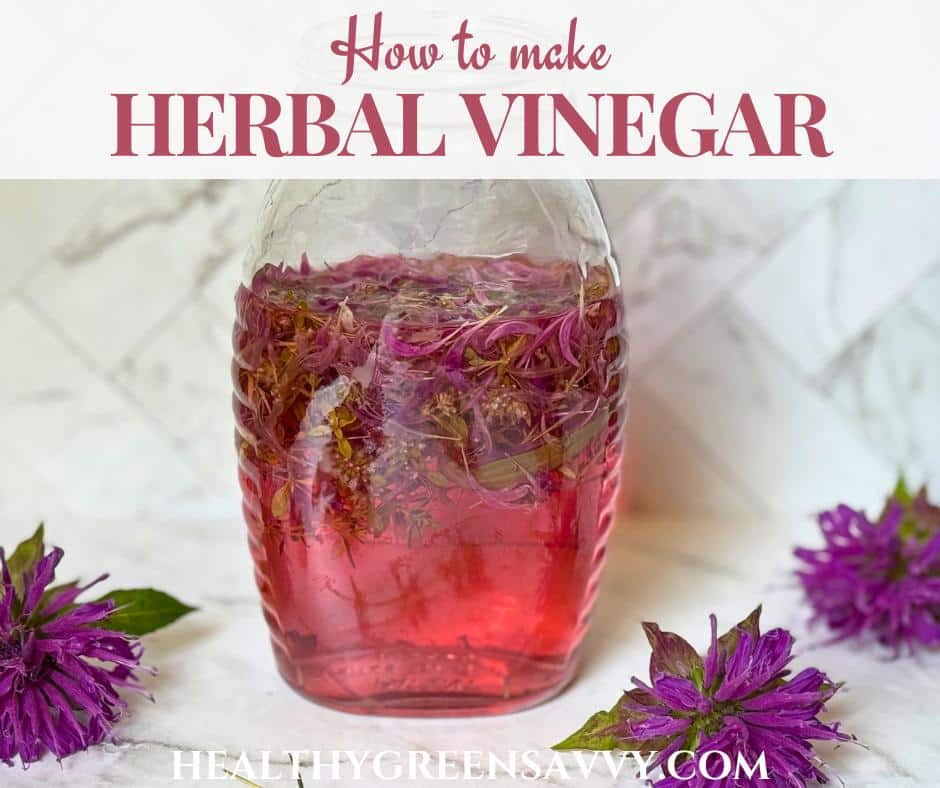
Has this happened to you? You hear about the benefits of a certain medicinal plant, and you immediately seek it out to incorporate into your routine.
And then at some point, you’re faced with the reality that you have a cabinet stuffed with dry herbs, a shelf full of tinctures, and a limited appetite for using them regularly.
While some mild or pleasant-tasting herbs — say oatstraw or lemon balm — might make it into your teapot several times per week, others like ground ivy and nettle leaf might be tougher to enjoy with any regularity.
The wonderful thing about herbal vinegars is that you can get the benefits of the plants you want to consume more often in your salad dressing, splashed into soup, or used as a drinking vinegar.
It’s a delicious and easy way to consume herbs!

Which Herbs to Use for Herbal Vinegars
You can absolutely make herbal vinegars using favorite culinary herbs like basil, thyme, chives, or rosemary. Those herbs also have medicinal properties and getting more of them into your daily diet is a great way to consume a greater variety of plant compounds.
But what I think is so brilliant about herbal vinegars is that you can work in herbs you might not otherwise ever consume, like powerful-tasting ground ivy.
Or if you want to take elderberry more often but don’t want the sugar of elderberry syrup and only want unsweetened elderberry tea on occasion. Elderberry vinegar is an excellent stand-in for balsamic vinegar. I use it often on my go-to wild rice salad.
Another advantage to making herbal vinegar rather than an alcohol-based extract is that people who want to avoid alcohol can get the benefits of herbal extracts as well. Though it’s important to understand that vinegar will extract different compounds than alcohol will.
Some of the many herbs to consider using in herbal vinegar:
- Elderflower
- Elderberry
- Ground ivy (commonly known as creeping Charlie, one of the most undervalued medicinal plants growing in most yards IMO)
- Bee Balm
- Nettle
- Lady’s thumb
- Peach leaf
- Dandelion leaf or flower
- Lavender (tip: lavender leaves can be used as well as flowers)
- Goldenrod
- Yarrow
- Pine needles
- Hawthorn berries, leaves, or flowers
- Garlic
- Citrus peel (lemon, lime, or orange peels can all work)
Lots of other edible flowers can make lovely herb-infused vinegars as well. Chive blossoms, nastutiums, pineapple weed, or the flowers of herbs like oregano, thyme, or basil. I like to use my lemon thyme for herbal vinegar because you can use whole sprigs rather than removing individual leaves. While creeping thymes make beautiful herbal groundcovers, they’re much harder to work with in cooking than upright thymes.
At the end of the growing season, I collect herbs I think people will enjoy getting in an herbal vinegar given at the holidays, one of many easy diy gifts I make with my garden harvest. Steeping dried herbs in vinegar is quick and easy, but still thoughtful and homemade. And if you need something fast at the holidays, you can submerge your herbs right before giving it and include instructions for straining them a few weeks later. One of many brilliant last-minute gift ideas to consider for anyone short on time and cash.
Note that compared to herbs extracted in alcohol (which can last for years), herbal vinegars have a relatively short shelf life. So they’re not something to make with fresh herbs in summer and save for holiday gift-giving. If that’s what you’d like to do, make an alcohol tincture instead. I’ve given pine needle tincture as a cocktail add-in and lemon balm tincture to people in need of some stress relief.
For myself, I’ve made a fair amount of elderberry and elderflower vinegar. Besides those I focus on herbs I know I’d be unlikely to take often if it wasn’t in vinegar. Ground ivy, goldenrod, and nettle top the list. Bee balm, with its oregano-like flavor, is one that can also work for gifting and that I make for myself.
Tip from experience: Don’t get too carried away and make gallons of herbal vinegars you won’t have time to get through before they spoil. They’re best used within about 6 months. Straining the plant material thoroughly and storing in the refrigerator both extend their shelf life.
Which Kind of Vinegar to use
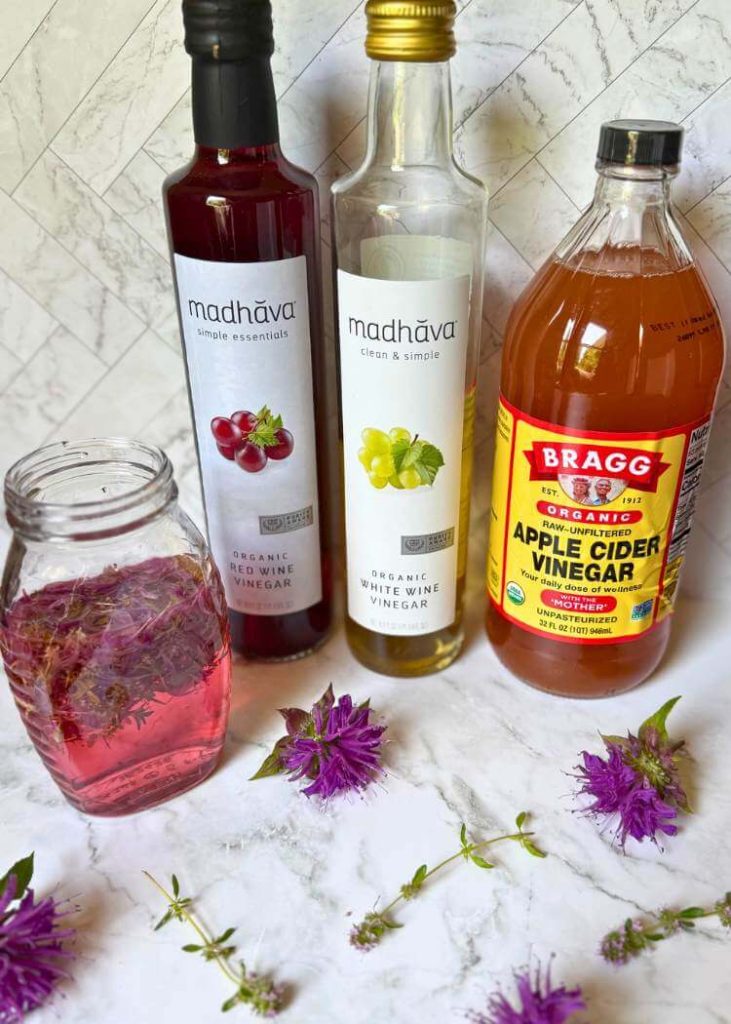
If you’re after the biggest benefits, you might consider using unpasteurized apple cider vinegar, which has the added bonus of being rich in probiotics.
For a milder herb infused vinegar, you might try a white wine vinegar, which has a less prominent flavor and will showcase the herb’s flavors. You could also use rice wine vinegar, red wine vinegar, or even plain white vinegar. Balsamic vinegars can work as well, but for herbal vinegars I prefer more neutral flavors. Each will contribute its own flavor, so experiment and see what you like.
You could even use vinegar you made yourself from apple scraps or leftover wine. Find out how to make homemade vinegar.
Fresh or Dried Herbs?
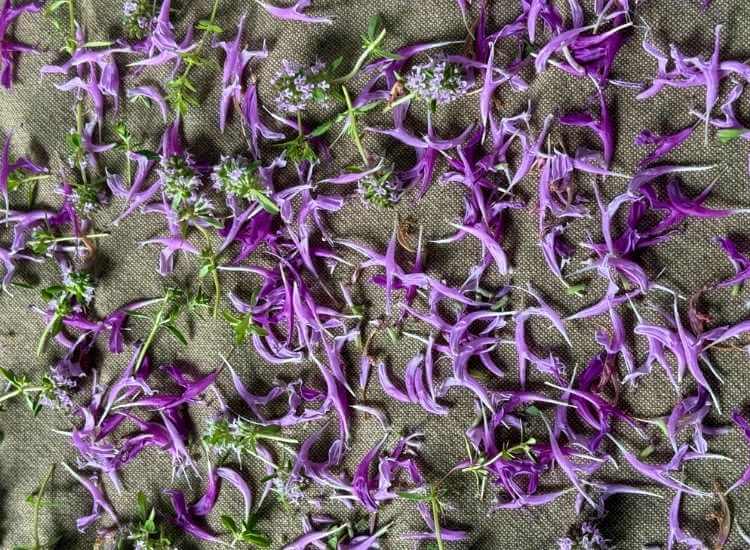
You can use either fresh or dried herbs, according to your preferences. As with herbal teas, the flavor when you use fresh plants will be brighter and lighter, while dried herbs tend to be stronger and more concentrated. Both taste wonderful, so experiment and find out what you prefer.
When using fresh herbs, you need to make sure they don’t have any water on them so you don’t dilute the acidity of the finished vinegar. Use a salad spinner to dry them thoroughly, and then let them air dry on a kitchen towel before submerging in vinegar.
If you want to make an herbal vinegar from herbs you don’t grow or forage, the highest-quality source is Mountain Rose Herbs. Starwest also carries a wide array of bulk herbs at competitive prices. You can also get dried herbs from Starwest, HerbPharm, and Frontier on Amazon and other online retailers.
Precautions Using Herbs
Whenever you use an herb for the first time, try a very small amount to find out how you react to it. Read carefully about any herb you’re thinking of taking to make sure it doesn’t have any contraindications with medications you take or conditions you have.
Consider taking a class on herbs, either in person or online. Herbal Academy has dozens of excellent courses for beginning through advanced herbalists. Find out about their offerings here or by clicking the banner below.

Safe Foraging Considerations
If you’re using wild plants in your herbal vinegar infusion, you’ll want to take the usual precautions about foraging wild plants:
- Always positively identify any plant you intend to consume: Misidentifying a plant can be dangerous, even deadly. Consult a trustworthy field guide and make absolutely sure you’ve correctly identified any plant you plan to forage. When in doubt, don’t eat it.
- Forage sustainably: Harvest only what you’ll actually use, and leave plenty for wildlife and plant regeneration. Don’t take more than 10% of what’s there, depending on how many other people also forage there — unless it’s an invasive like garlic mustard, in which case, pull up everything you can!
- Obey the law: Many places have regulations about foraging plants, including national and state parks. Always check guidelines and get permission from property owners if you would like to forage on private property. Maria at Four Season Foraging has a helpful writeup about navigating laws pertaining to foraging.
A reliable foraging book is a must. Many recent foraging guides were written by AI rather than an actual foraging expert. My top recommendations for the best foraging books were written by extremely knowledgeable humans.

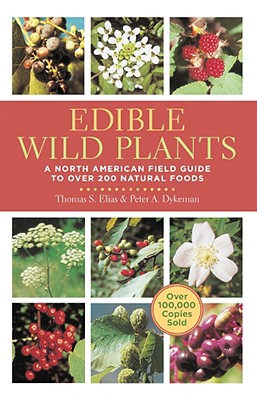
You can learn more about safe foraging with a foraging class, like the Herbal Academy’s online foraging course, which covers plant identification, ethical wildcrafting, and much more.

SUPPLIES NEEDED
- Herbs of choice
- Vinegar
- Sterilized glass jars with plastic lids (or use parchment paper)
- Fine mesh sieve
- Funnel
- Cheesecloth can help strain out any tiny pieces of plant material, making a longer-lasting finished product
How to Make Herbal Vinegar
This recipe make a small amount of vinegar, which I find makes sense when I’m experimenting with flavors or I want to make several different kinds. You can double or triple the recipe if you’d like to make more at a time.
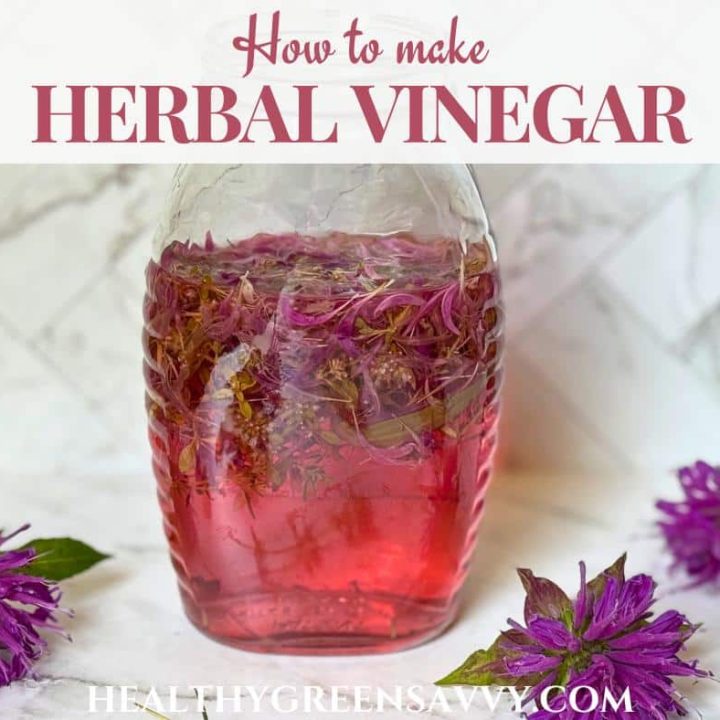
How to Make Herbal Vinegars
Herbal vinegars are fun and easy to make with whatever herbs you have in your garden or spice cabinet. This simple recipe makes a small amount, perfect for experimenting with new herbs and flavor combinations. You can double or triple the recipe to make bigger batches.
Ingredients
- 1/2 cup fresh or 1 tablespoon dried herb or herbs of choice
- 1 cup vinegar of choice
Instructions
- Rinse herbs to remove dirt or insects and spin dry in a salad spinner, then allow to dry on a clean kitchen towel.
- Chop herbs into small pieces in order to expose as much surface area as possible.
- Place your prepared herbs loosely in a clean, dry jar and cover with vinegar, leaving about 1/2 inch headroom. If you're using tougher ingredients like dried berries or roots, you can heat the vinegar first to enhance extraction, but you might kill some of the beneficial microbes in unpasteurized apple cider vinegar if that's what you're using.
- Cover the jar with parchment paper if using a metal lid to prevent corrosion (or use a plastic lid like these) and seal tightly.
- Place in a cool, dark place like cabinet for 2 to 4 weeks, giving it a shake every few days. Be sure herbs are completely submerged in liquid.
- After a few weeks, taste the vinegar. Shorter infusion times will yield less intensely-flavored vinegar, while longer ones will make stronger finished products. When you're satisfied with the flavor, layer cheesecloth in a sieve and strain the infused vinegar into a bowl or measuring cup for easy pouring. Squeeze out all the liquid you can and compost the plant material.
- Pour finished vinegar into a sterilized bottle and label and date it.
Putting your end date on a calendar or setting a reminder on your phone can help you remember to strain your finished vinegar.
Notes
Note that if you want to add a sprig of herb for aesthetic appeal to the final product, you'll need to remove it within a month. If you're gifting the vinegar to someone else, be sure they know they'll need to take it out soon.
Combining Herbs in Vinegars
You can make herbal vinegar using just one herb, or you can combine them for flavor or medicinal value.
Some combinations to try:
- Garlic and thyme
- Aronia and elderberry
- Lemon peel and garlic
- Yarrow and bee balm
Really, any combination of herbs you have on hand are worth trying together, depending on your flavor preferences or medicinal goals. For immune support, you can’t go wrong with garlic or elderberry. For addressing cold symptoms, consider other top herbs for colds and flu.
Or combine a number of immune supporting herbs to make a traditional immune booster called fire cider. Fire cider typically contains a combination of onion, garlic, horseradish, and chili peppers, along with other favorite immune-bolstering herbs like star anise and citrus peel.
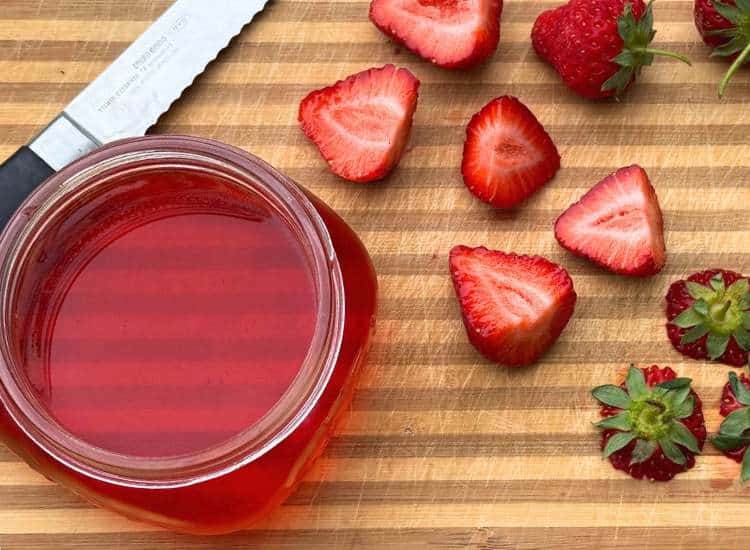
Also consider making delicious infused vinegars with things you might otherwise throw away, like orange peels or strawberry tops. Strawberry top vinegar is both beautiful and delicious.
Ways to Use Herbal Vinegars
Herbal vinegars can add flavor and medicinal value to all sorts of things. Try them in
- Homemade salad dressings (like this easy herb vinaigrette recipe)
- Marinades or sauces
- Added to soups and other cooked dishes
- As a drinking vinegar, splashed into water or seltzer
- Turned into medicinal oxymels
I hope you love your herbal vinegar! Please leave a comment to share which herb combinations were your favorites.
FAQs
How long does herb-infused vinegar last?
Herbal vinegars are best used within about 6 months. To extend their shelf life, strain the plant material thoroughly and store it in the refrigerator. You could also freeze herb vinegar in ice cube trays and thaw when you want them.
Here’s more on the shelf life of herbal preparations from the Herbal Academy.
How do I use my herbal vinegar?
They’re wonderful in salad dressings and marinades or used as a “drinking vinegar” with water or seltzer. You can also use them medicinally in oxymels by mixing them with honey.
Save this herbal vinegar recipe for later!
Disclaimers: Though HealthyGreenSavvy and EcoSavvy Writing LLC always aim to provide thorough and accurate information, we assume no liability or responsibility for any consequences, health issues, or symptoms that arise from ingesting or touching any plant described on this website. It is always the reader’s responsibility to ensure accurate plant identification and use multiple reputable sources to confirm. If you have any doubts about the identification of any plant, do not eat it.
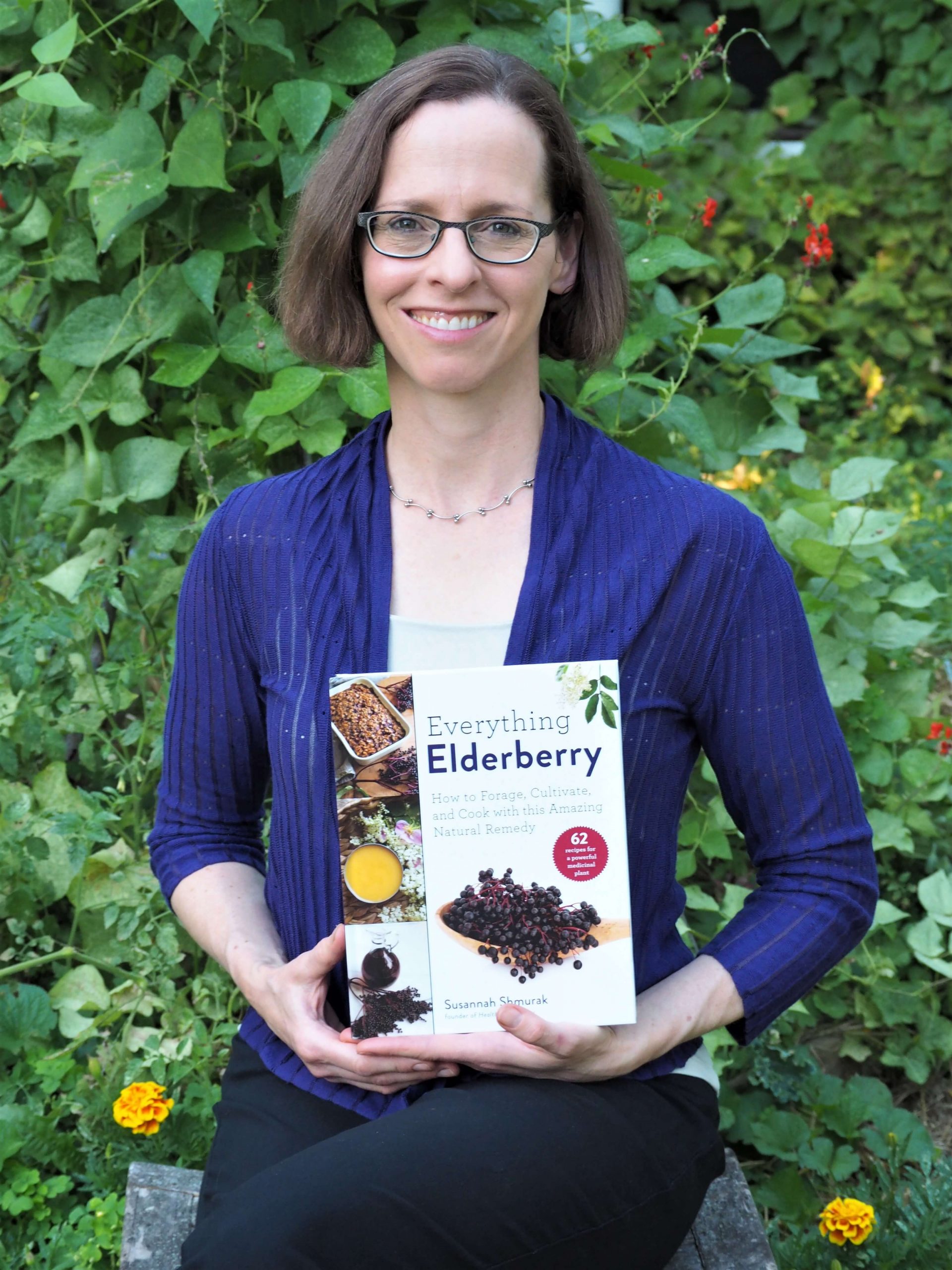
Susannah is a health and environmental writer focusing on gardening, foraging, medicinal plants, and sustainability. Her work has appeared in Mother Earth Living, Ensia, Northern Gardener, Sierra, and on numerous websites. Her first book, Everything Elderberry, released in September 2020 and was a #1 new release in holistic medicine, naturopathy, herb gardening, and other categories. Find out more and grab your copy here.

 Hi, I'm Susannah, a garden geek, energy nerd, and fan of healthy food and natural remedies. Need some simple, practical solutions for living healthier and greener? You've come to the right place! More about me and my green projects
Leave a Reply