

I may receive commissions from purchases made through links in this article at no additional cost to you. Read full disclosure.
Sunny calendula flowers are a go-to home remedy for soothing skin and irritated tissues, promoting lymphatic drainage, and supporting the immune system. Find out how to make calendula tincture and have this versatile home remedy on hand whenever you need it.

Making your own calendula tincture is easy and requires just a few ingredients and supplies. There’s some misinformation about the best way to tincture calendula coming up at the top of search results, so we’ll clear that up here.
Read on to find out how easy it is to make calendula tincture correctly, plus tips and precautions to keep in mind.
Why Make Calendula Tincture?
Made from the flowers of the calendula plant (Calendula officinalis), calendula tincture concentrates the medicinal properties of this healing plant in an easy-to-use form that lasts for years. Long after the blooms of summer have faded, you have their potent sunny medicine on hand whenever you need it.
I love having tinctures made from plants in my garden at the ready, no matter the time of year. Depending on what I need, I may reach for tinctures made from self heal or plantain, elderberry or elderflower, among many others. Tooth pain from braces? Try spilanthes. Overwhelm and stress? Milky oats. Much of the year I don’t have access to these valuable plants, but with tinctures I can still access their medicinal propoerties.
Calendula is also easy to grow and delightful to have in the garden. After you plant it once, you’ll have abundant flowers in years following, as it’s an excellent self-seeder. Besides being beautiful, calendula is great for attracting pollinators.
Here’s some calendula growing in my garden this season:

Calendula is among the many flowers you can eat, so you can actually just pick them and munch on them straight from the garden, which I do pretty regularly. They can also go in your teapot — try them in herbal sun tea.
Some calendula tincture recipes use only the petals, which is a mistake. Herbalists say the most medicinally potent part of the flower is in the sticky calyx, the green part at the base of the flower.
When flowers are in abundance, I refrain from eating too many so I can make calendula tincture to see me through to the next season.
A must-have for the medicinal herb garden, I recommend planting calendula in your veggie patch as it’s such a great companion plant, boosting your harvests of whatever else you’re growing. Plus you get to harvest the delightful flowers!
Best of all, calendula benefits from being picked regularly, and it will produce more flowers when you harvest the blossoms.
Though you can buy tinctures, they generally cost $10 or more per ounce. When you make your own, tinctures cost roughly 50 cents per ounce using top-quality organic vodka and herbs. It’s so satisfying to use remedies you’ve made yourself using the best ingredients, especially because they’re so cheap and easy to make.
If you don’t have fresh calendula, you can use dried flowers. Mountain Rose Herbs is the go-to source for the best quality herbal ingredients you can find.

Calendula Tincture Benefits & Cautions
Calendula is a top herb for soothing irritated and damaged skin. It’s rich in anti-inflammatory and antimicrobial compounds, making it exceptional for wound care. Calendula was reportedly used to treat battle wounds in the Civil War and WWI.
The alcohol in calendula tincture makes it better suited to very minor cuts and abrasions. Use a water extract for more serious skin issues or for sunburns, since alcohol may dry skin or sting.
Internally, herbalists use calendula to support lymphatic drainage, mood, and the immune system. An immune-boosting herb and antiviral, calendula can help you deal with the inevitable viruses going around in fall and winter.
Matthew Wood reports that calendula can be used as a digestive aid. He notes it’s also be an emmenagogue, which means it’s not recommended for use during pregnancy.
Like so many wonderful herbs such as chamomile and dandelion, calendula is a member of the aster family and may cause problems for anyone with ragweed allergies.
Whatever flowers you don’t turn into tincture you can add to cooked dishes or salads. Also try drying some to keep on hand for tea. Find out more about the many uses for calendula.
Want to learn more about making your own herbal preparations? Check out the wonderful courses you can take online from Herbal Academy. Learn more about their offerings here or by clicking the banner below.

How to Make Calendula Tincture
You can make calendula tincture with fresh or dried flowers, though you need to use different strengths of alcohol. More on that below.
If you have access to fresh calendula, you’ll want to harvest the whole flower, including the green base, called a calyx, shown below:

Your hands should get sticky when you pick them, and that’s a good thing! The stickier the better, according to the herbalists I know. Rico Cech recommends growing cultivars with high resin content, noting that varieties bred for beauty likely fall short on medicinal usefulness. The herbalists I know prefer to get seed from Cech’s company, Strictly Medicinals.
Cech suggests harvesting calendula in the afternoon for best results.
If you don’t have fresh calendula, no worries! You can make calendula tincture with dried flowers as well, and they’re easy to purchase by the pound.
Whatever you don’t use for tincture is wonderful to cook with in winter, or add to your favorite herbal tea blends. I throw dried calendula in my teapot all winter for immune support and promoting mood in the darker months.
SUPPLIES YOU’LL NEED
- Fresh or dried calendula flowers
- Sterilized glass jar — you can use any jar you have on hand or get some wide mouth jars for canning. Plastic lids are also helpful so the alcohol doesn’t corrode the metal lid.
- Mesh sieve
- Small funnel
- Dropper bottles (like these or these)
- Cheesecloth can help strain out tiny pieces of plant material, making a longer-lasting finished product. Coffee filters work, too.
- High proof alcohol (minimum 40%, or 80 proof, but higher is preferred), typically vodka, though you can also use grain alcohol; alternatively, use food-grade glycerin or vinegar if you don’t want to use alcohol.
I usually use organic vodka made by a local distiller for tincturing, but with fresh herbs, it’s preferable to use higher-proof alcohol. I know many herbalists who use vodka for fresh herbs as well, but Cech advises using grain alcohol (190 proof) because of the higher water content of the flowers.
If you’re using dried calendula flowers, vodka will work well.
–>Never use rubbing alcohol (isopropyl alcohol), which should not be taken internally.
Find out more about choosing solvents in this article. If you’re interested in making a calendula extract without alcohol, consider using vegetable glycerin to make a glycerite. Here’s more about using glycerin from Herbal Academy.
INSTRUCTIONS
1. If you’re using fresh calendula, harvest flowers (together with the green calyx) in late morning, after the dew has dried. Spread on a clean kitchen towel and allow them to dry for a few hours. This will lower the moisture content a bit, but they won’t dry completely. They’re still fresh herbs and need to be tinctured in higher-proof alcohol.
2. Next, chop flowers into small pieces to expose as much surface area as possible. If you’re using dried calendula, crumble the flowers some to break them up.
3. Place chopped flowers in a clean, dry jar. If using fresh calendula, fill about 2/3 full; if using dried flowers, fill only half full. Dried herbs will expand as they absorb liquid.
4. Cover completely with alcohol to an inch above the flowers. Make sure all plant material is completely submerged.
5. Cover the jar and seal it tightly. Give it a shake and allow the calendula to settle for about an hour. If needed, add more liquid to cover the herbs completely, seal and shake again.
6. Place your jar in a cupboard for 4 to 6 weeks, shaking gently every day or so. Ensure the flowers stay completely submerged in liquid. Note the end date on a calendar (or set a reminder on your phone) so you remember to strain your finished tincture.
7. Strain out the herbs using a sieve, squeezing the herb to remove all liquid. You can line the sieve with cheesecloth or a coffee filter to strain out fine particles.
8. After straining, you can allow the herbs to settle for a day and strain again if you want to remove more particulates.
9. Use a small funnel (like these) to fill tincture bottles. Label bottles with the contents and the date.
How to Use Calendula Tincture
Guidelines for using tinctures vary quite a bit. Some herbalists recommend taking an entire dropperful of tincture, while many others herbalists suggest just three drops placed under the tongue.
Consult a qualified herbalist to tailor your use of calendula tincture to your own specific needs.
Rico Cech recommends taking tinctures between meals to enhance absorption. He also advises that smaller people need less than larger people, and that acute conditions warrant more frequent doses than chronic conditions.
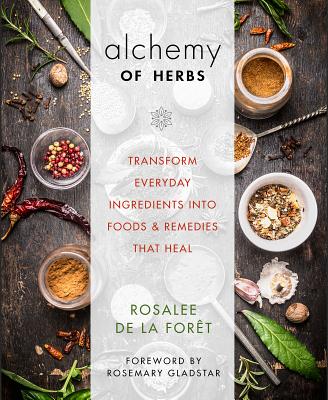
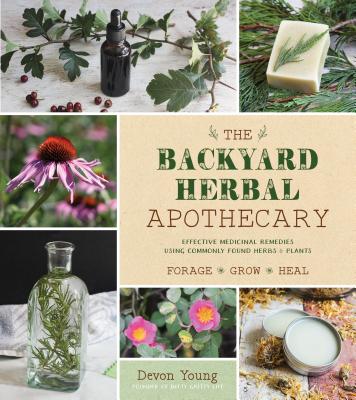
Want to learn more about using herbs to support health? Check out some of the best herbal medicine books to consider adding to your home library.

FAQs
Can you make calendula tincture without alcohol?
Yes! You can make calendula extract using glycerin, though the constituents extracted will differ and the shelf life will be shorter one made with alcohol.
How long do tinctures last?
If you store them in a cool, dark place alcohol-based tinctures keep for several years. Here’s more on the shelf life of different kinds of herbal preparations from the Herbal Academy.
What should I do with leftover alcohol?
If you don’t want to use leftover alcohol in cocktails, you can use it to tincture some of the many other herbs in your garden or growing wild. I make tinctures from numerous wild plants, including stinging nettle tincture, pine needle tincture, and violet tincture. Other plants I like to tincture include elderberry, goldenrod, ground ivy, elderflower, plantain, and yarrow. It’s so helpful to have these on hand during the six months each year that nothing grows!
Ever tried tincturing calendula? What do you like to use it for?
Save this easy calendula tincture recipe for later!
Disclaimer: I’m a health enthusiast, not a medical professional. Content on this website is intended for informational purposes only and is not meant to provide personalized medical advice. I draw on numerous health sources, some of which are linked above. Please consult them for more information and a licensed professional for personalized recommendations.
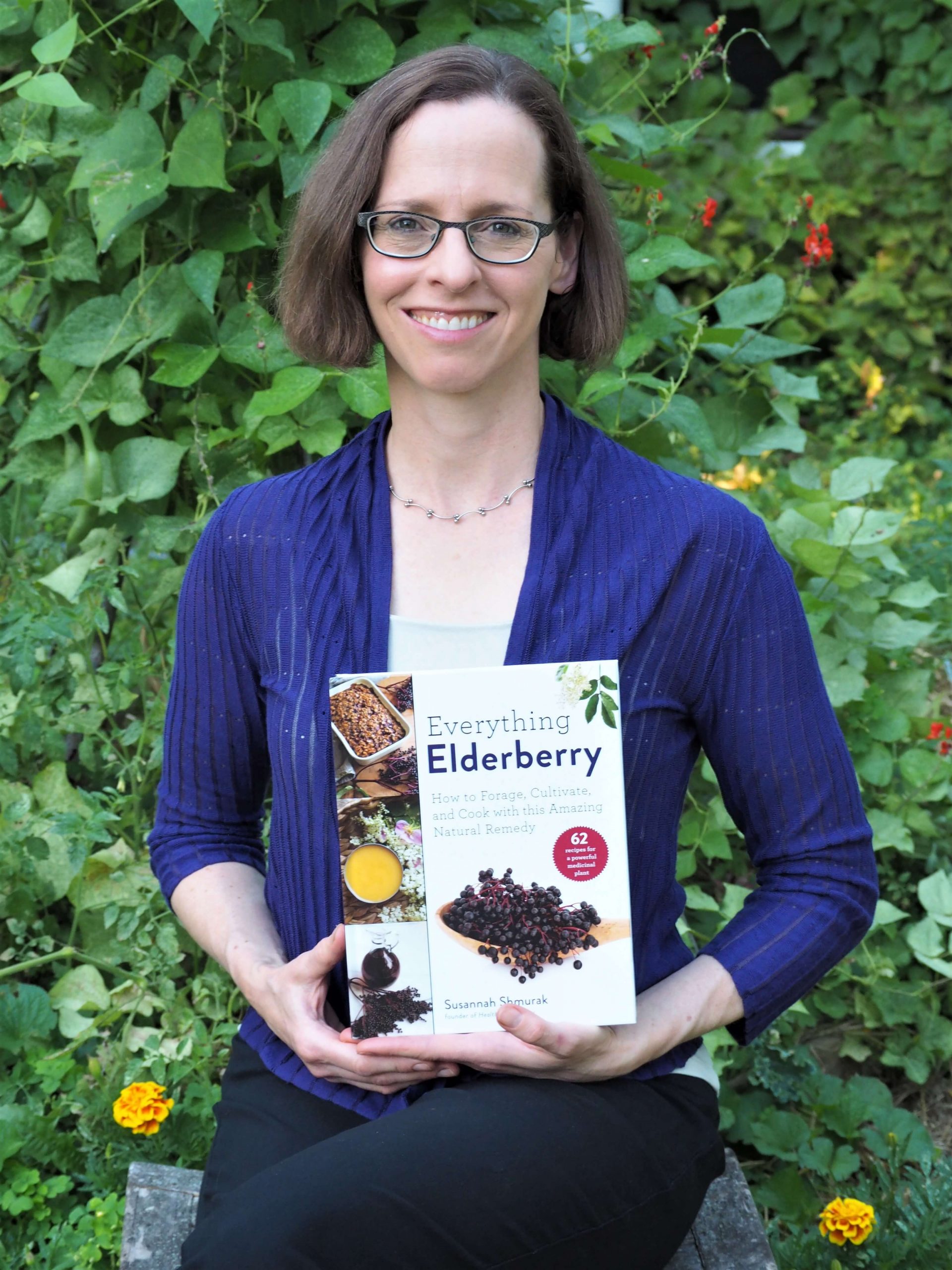
Susannah is a health and environmental writer focusing on gardening, foraging, medicinal plants, and sustainability. Her work has appeared in Mother Earth Living, Ensia, Northern Gardener, Sierra, and on numerous websites. Her first book, Everything Elderberry, released in September 2020 and was a #1 new release in holistic medicine, naturopathy, herb gardening, and other categories. Find out more and grab your copy here.

 Hi, I'm Susannah, a garden geek, energy nerd, and fan of healthy food and natural remedies. Need some simple, practical solutions for living healthier and greener? You've come to the right place! More about me and my green projects
Leave a Reply