

I may receive commissions from purchases made through links in this article at no additional cost to you. Read full disclosure.
Did you know you can use eggshells in your garden? Eggshells have benefits for garden plants if you understand how to use them. Find out what to know about using eggshells in the garden to help your plants thrive.

Maybe you’ve tried other kitchen-to-garden soil amendments like banana peel fertilizer and coffee grounds in the garden to enrich your soil without purchasing bags of pricey ingredients.
Have you tried using eggshells?
Like coffee grounds, eggshells can offer benefits to your garden if you know how to use them correctly. Find out how to turn your kitchen waste into a source of valuable nutrients to your plants.
Why Use Eggshells in the Garden?
There are three main reasons people add eggshells to garden soil:
1) Made mostly of calcium, eggshells can add calcium to the soil. Calcium is essential for plant cell walls and can help prevent blossom-end rot in vegetables like tomatoes and peppers.
Calcium gets used up by many garden plants, which can lead to problems from deficiency.
While you’d need huge quantities of eggshells for much of an effect on the soil, they still offer a slow-release source of calcium.
2) The calcium in eggshells can help balance the pH of more acidic soil. However, if you live somewhere with abundant limestone, it’s likely your soil is already alkaline as this calcium-rich stone releases calcium slowly over time into soil and groundwater. However, abundant rainfall may wash away calcium, and tree leaves add acidity, so you really need to test your own soil to know what pH it is.

If you’re unsure of the pH of your soil, a simple tool like this one can tell you, along with checking moisture and light. This is a great tool to keep handy for checking moisture and pH levels throughout the season.
If you’ve got more alkaline soil, it’s probably unwise to add truckloads of crushed eggshells, but it’s unlikely tossing those you’ve used in cooking into your compost will make much of a difference.
If you’re trying to adjust your soil’s pH, consider ground eggshells for plants like tomatoes and brassicas, but not for plants that prefer more acidic soils, like blueberries and azaleas.
3) Eggshells’ sharp edges may help deter garden pests in the same way diatomaceous earth does. Gardeners report mixed results with ground eggshells as pest control, but you can try it and see how it does for you.
Crushed eggshells can be placed around plants, or eggshell powder may be applied directly to insects.
Using Eggshells in the Garden

First things first, it’s important to set reasonable expectations. You won’t be tossing a few shells from this morning’s omelet onto your soil and suddenly have all your garden woes vanish.
If you’re planning on using eggshells as a soil amendment, like other homemade soil additives, eggshells need time to break down.
You can speed up this process by crushing or grinding the eggshells before adding them to the garden, but if you’re not in a hurry, just break shells up in your hand and add them to your compost pile.
If you want to add them directly to your garden beds, crush or powder them before sprinkling on the soil. They’ll still need time to break down, but it will happen more quickly than if you add larger pieces of eggshell.
If what you’re after is calcium, understand that you’d need HUGE quantities of eggshells to give you what you’d find in a purchased additive.
So here’s the practical upshot: Unless you have oodles of time to spare (what gardener does??), spending the time sterilizing and grinding up eggshells for your plants probably isn’t worth the effort.
As a perpetually overextended gardener, I just toss eggshells in the compost bin along with all our other food scraps.
When I’m getting compost out of the bin in spring, I’ll usually find plenty of larger eggshell pieces, which I’ll crush further with my hands as I add it to garden beds. They’ll eventually break down, but they’re such a tiny fraction of the soil volume, I don’t find it’s worth bothering to crush them too carefully.
But if you’re the go-getter type, below are more involved ways you can get your eggshells to break down faster.
For more practical ways to get more out of your garden, be sure to check out some of the best gardening books!

One Way NOT to Use Eggshells in the Garden
You may come across recommendations to use eggshells for seed starting, with claims the shell will break down in the soil.
But as we learned above, the shell breaks down very slowly, which means the roots of your poor little seedlings have nowhere to go!
A seedling will try to send down roots in the first weeks, but your shell won’t break down for months, and your seedling will be starved for nutrients.
Give this ‘creative’ use for eggshells a pass and make sure your seedlings can develop the robust root system they need to thrive. Or at least plan to remove the eggshell before planting so roots have a chance to grow.

How to Prepare Eggshells for Use in the Garden
For adding to compost or to sprinkle on top of garden soil, all you need to do is lightly crush shells in your hands.
If you want to grind up or powder your eggshells, here’s what you’ll need to do.
1. Rinse shells thoroughly and air-dry. Leave them drying in sunlight to help kill microbes. You can also bake them at about 200 °F (93 °C) for 20–30 minutes to dry and sterilize them.
2. Use a mortar and pestle to crush shells, or grind them into a fine powder using a coffee grinder.
Garden writer Barbara Pleasant reports it can take up to 150 eggshells to make a cup of eggshell powder.
To use eggshell powder: Mix a small handful into the planting hole when you plant tomatoes, peppers, or eggplants to help prevent blossom-end rot.
A faster way to get the calcium from eggshells to your plants: Steep dried, crushed eggshells in water for a few days. The calcium will leach into the water and can be applied directly to soil for plants that need a calcium boost.
Do you love making use of things most people throw away? Be sure to check out these popular posts:
Do you use eggshells in your garden? Let us know what you’ve found helpful!
Save this info on how to use eggshells in the garden for later!
Photo credits in pin: chamillewhite, Helena Lopes
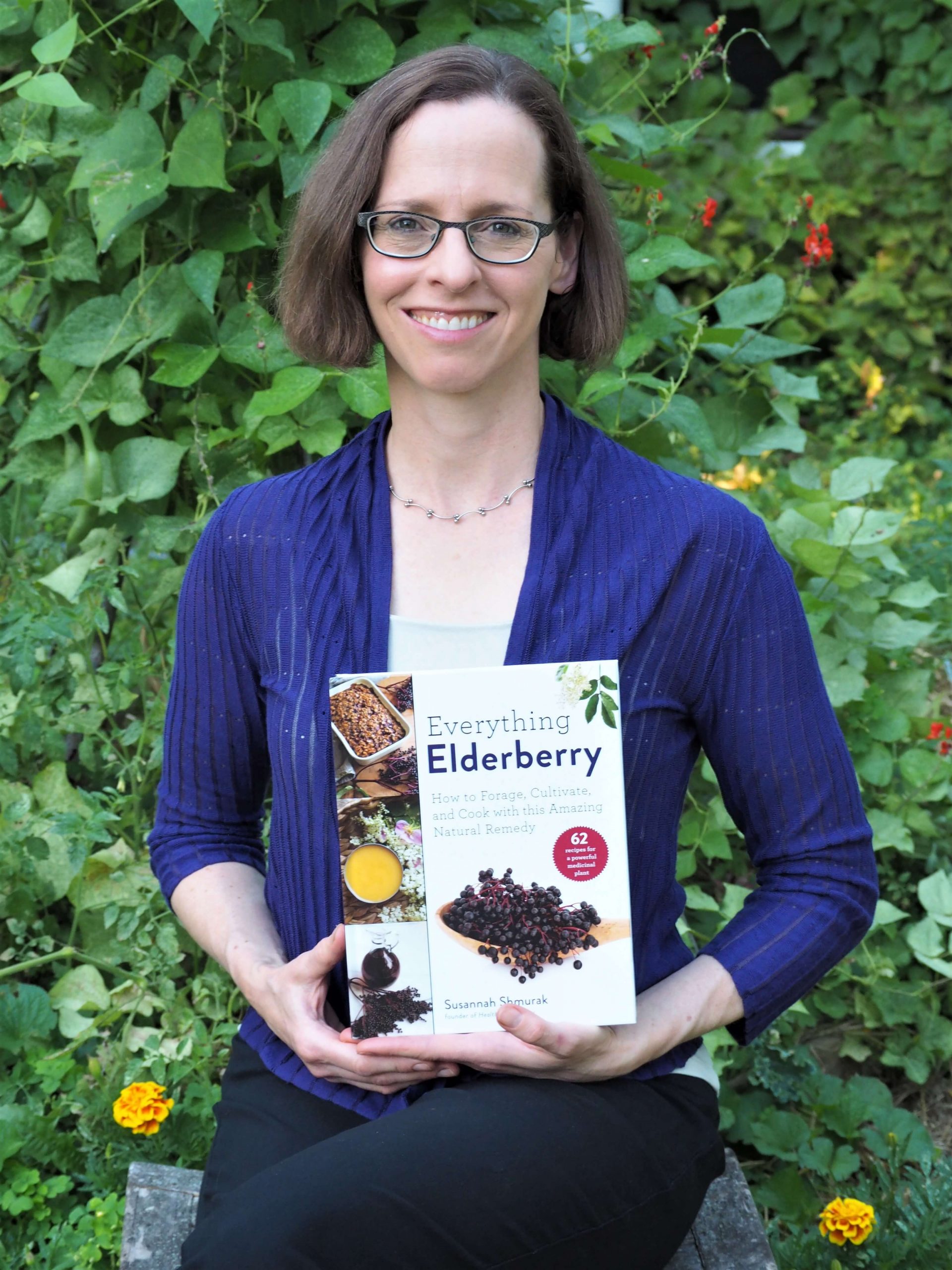
Susannah is a health and environmental writer focusing on gardening, foraging, medicinal plants, and sustainability. Her work has appeared in Mother Earth Living, Ensia, Northern Gardener, Sierra, and on numerous websites. Her first book, Everything Elderberry, released in September 2020 and was a #1 new release in holistic medicine, naturopathy, herb gardening, and other categories. Find out more and grab your copy here.

 Hi, I'm Susannah, a garden geek, energy nerd, and fan of healthy food and natural remedies. Need some simple, practical solutions for living healthier and greener? You've come to the right place! More about me and my green projects
Leave a Reply