
I may receive commissions from purchases made through links in this article at no additional cost to you. Read full disclosure.
If you needed one more reason to get out and dig in the garden, listen up: Contact with dirt actually benefits your health. Find out why dirt’s good for you and you’ll never look at garden chores the same way again.

Sure, we all like our houses to look clean and tidy, but our modern obsession with cleanliness has come at a cost. Rising rates of autoimmune disease and antibiotic-resistant bacteria are just some of the most worrying effects of our super-clean world.
A growing body of scientific research suggests that exposure to dirt and the soil microbes it contains can have a significant impact on our immune systems, gut function, even our mental health.
Along with getting outside, getting dirty may be one of the easiest ways to support your long-term health.
Let’s dig into the impressive benefits of dirt.
Is Dirt Good For You? Exploring the Health Benefits of Dirt
Soil is one of the most biologically diverse ecosystems on Earth. A single gram of soil contains billions of microorganisms, including bacteria, fungi, and viruses. When we have contact with soil—through gardening, on our homegrown veggies, or even when we just sit on the ground—we get exposed to these diverse microbial communities.
Why does that matter? Soil microbes, it turns out, interact with the human microbiome in ways that significantly affect health.
The microbes we encounter have a major influence on our immune system. Research suggests that exposure to environmental organisms early in life plays an especially critical role in shaping our immature immune systems, which must learn to distinguish whether things they encounter are harmful or harmless, a process that depends on early and repeated exposure to diverse microbes.
Scientists theorize that the sterile modern environments we now spend so much time in have exposed us to far fewer microbes over our lifetimes than ever before in human history, with significant effects on the makeup of our microbiome. Researchers believe that reduced exposure to microorganisms in our environment contributes not only to rising rates of allergies, asthma, and autoimmune diseases, but also inflammatory diseases and neurological disorders like Alzheimer’s.
Find out additional ways to support gut health.
And just to clarify: I’m talking about having contact with the soil, not actually eating it. The practice of purposely eating dirt, called geophagy, is something else entirely.
Dirt and Mental Health: The Microbe–Brain Connection
One of the most fascinating developments in microbiome research is the growing understanding of how microbes influence mental health and cognitive function.
Certain soil bacteria, particularly Mycobacterium vaccae, appear to affect brain function. Experimental studies have found that exposure to M. vaccae activates serotonin receptors in the brain and produces antidepressant-like effects in animals. Additional research shows that M. vaccae can improve stress responses and cognitive performance under conditions designed to cause stress.
These findings help to explain why activities like gardening, hiking, and spending time outdoors are associated with improved mood and reduced stress.
In other words, some of why we feel so good after spending time outdoors can be chalked up to microbes!
Getting outside has many additional benefits as well. Number one is exposure to sunlight, which research has shown also plays vital roles in regulating our physiology, affecting sleep, energy, and cellular health.
Find out more about the surprising effects of light exposure on health.
The Health Impacts of Our Indoor Lives
Modern lifestyles have dramatically reduced our exposure to the microbes in soil. Many people now spend upwards of 90% of their lives indoors in sanitized spaces lacking in microbial life.
While this shift has reduced our exposure to dangerous pathogens, it has also drastically cut our contact with beneficial microorganisms. Researchers suspect that our “microbiome depletion” may play a significant role in the rise in allergies, autoimmune diseases, chronic inflammatory conditions, and mood disorders.
It’s important to emphasize that researchers do not suggest abandoning hygiene altogether. Clean water, sanitation, and food safety remain essential for preventing infectious disease. We should still aim for good hygiene when handling food or dealing with infection. But we should also avoid unnecessary overuse of antibacterial products and seek out regular contact with natural environments.

Practical Ways to Get More Dirt in Your Life
To be clear, I’m not recommending gobbling up spoonfuls of soil or never cleaning your house. But making time to dig in the dirt and just spend more time outdoors in general may have lasting impacts on your health and that of your family.
1. Garden
Gardening puts you in contact with soil and its microbial communities, plus you get loads of delicious food and beautiful flowers, as well as sunlight and exercise.
Not a gardener? Get started with our Newbie’s Cheat Sheet to Gardening here. Even growing a few herbs in pots gets you a healthy dose of vitamin dirt.
2. Spend Time Outdoors
Walking, hiking, or relaxing in nature exposes you to environmental microbes. Find ways to take your work, meals, or social time outside to increase opportunities for beneficial contact with nature and microbes.
3. Promote Outdoor Play
Send those kiddos out to play! Encourage them to dig in the dirt, make mud pies, explore cool rocks and plants, and build forts out of sticks. If they come in dirty, you’ll know playtime was a success.
4. Avoid Over-Sanitizing
Don’t feel the need to sterilize every surface, and use gentle, natural cleaners rather than bleach and other chemical disinfectants.
Use plain soap and water rather than antibacterial products for handwashing. Try this easy recipe for natural foaming hand soap and you’ll save money and plastic as well as supporting healthy microbiomes in your household.
If you haven’t played in the dirt in awhile, it’s time to give it another try. Whether you’re joining your kids for a round of mudpie-making or planting a small veggie patch or medicinal herb garden, enjoy the benefits of dirt as often as you can!
Need some garden inspo? Check out some of the best gardening books for beginners, garden nerds and kids.


Looking for more practical ways to live a little healthier every day? Check out some of the savvy health hacks below:
- Easy Ways to Reduce Cortisol
- Easy Health Hack: Sit Less
- How to Eat For Better Sleep
- Are You Getting Enough Magnesium?
- Immune Boosting Foods
- Are You D-ficient?
Save this info on why dirt’s good for you & the health benefits of dirt for later!

Photo credits: Cover — Sasiistock ; Pin — halfpoint
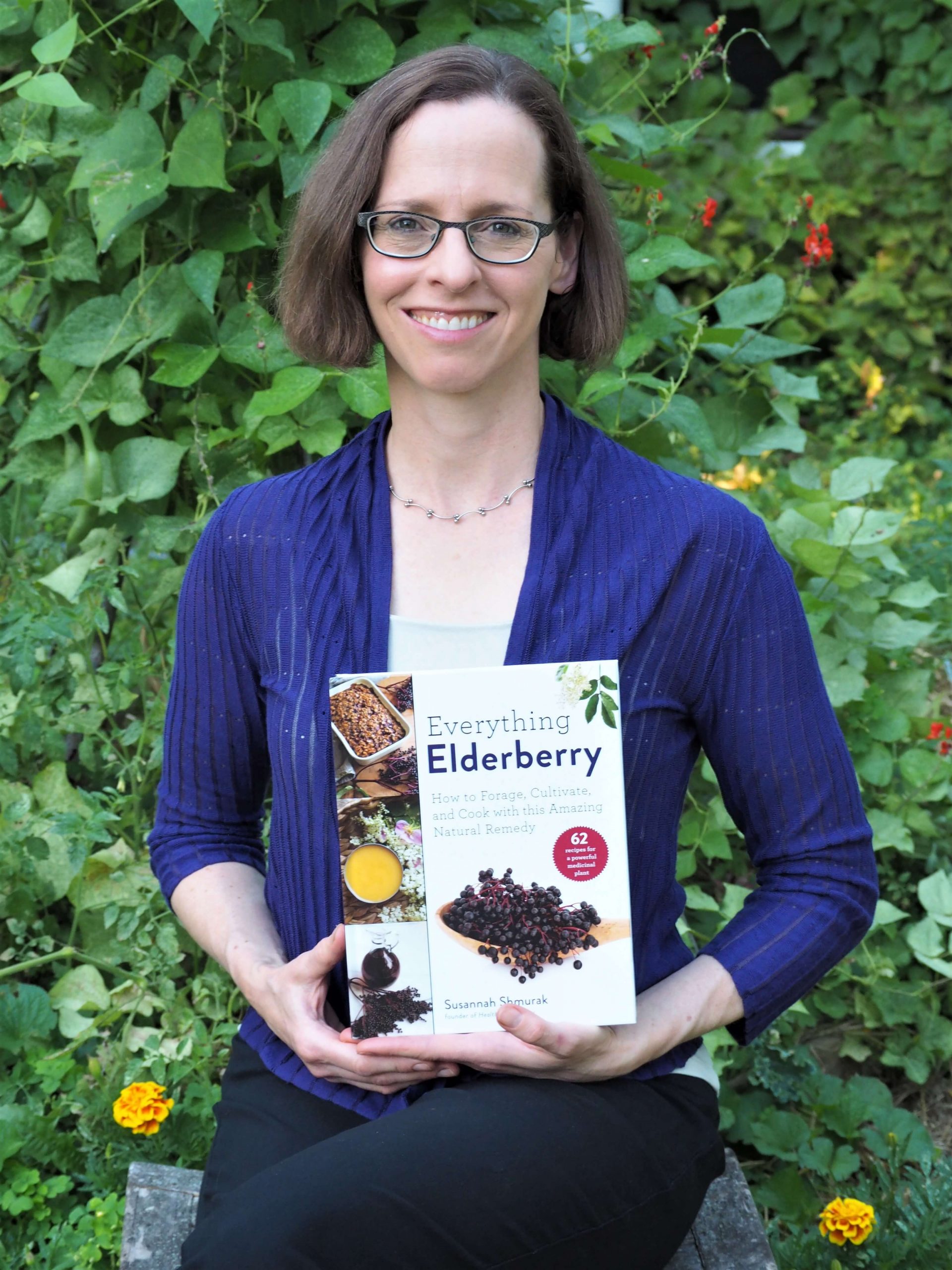
Susannah is a health and environmental writer focusing on gardening, foraging, medicinal plants, and sustainability. Her work has appeared in Mother Earth Living, Ensia, Northern Gardener, Sierra, and on numerous websites. Her first book, Everything Elderberry, released in September 2020 and was a #1 new release in holistic medicine, naturopathy, herb gardening, and other categories. Find out more and grab your copy here.

 Hi, I'm Susannah, a garden geek, energy nerd, and fan of healthy food and natural remedies. Need some simple, practical solutions for living healthier and greener? You've come to the right place! More about me and my green projects
Leave a Reply