I may receive commissions from purchases made through links in this article at no additional cost to you. Read full disclosure.
Do you love herbal remedies and long for a well-stocked home herbal apothecary? Find out which herbs and tools you need to build a useful home apothecary from scratch.
Inside: Learn about the top medicinal herbs to keep on hand and how to start building an inexpensive herbal remedy toolkit.
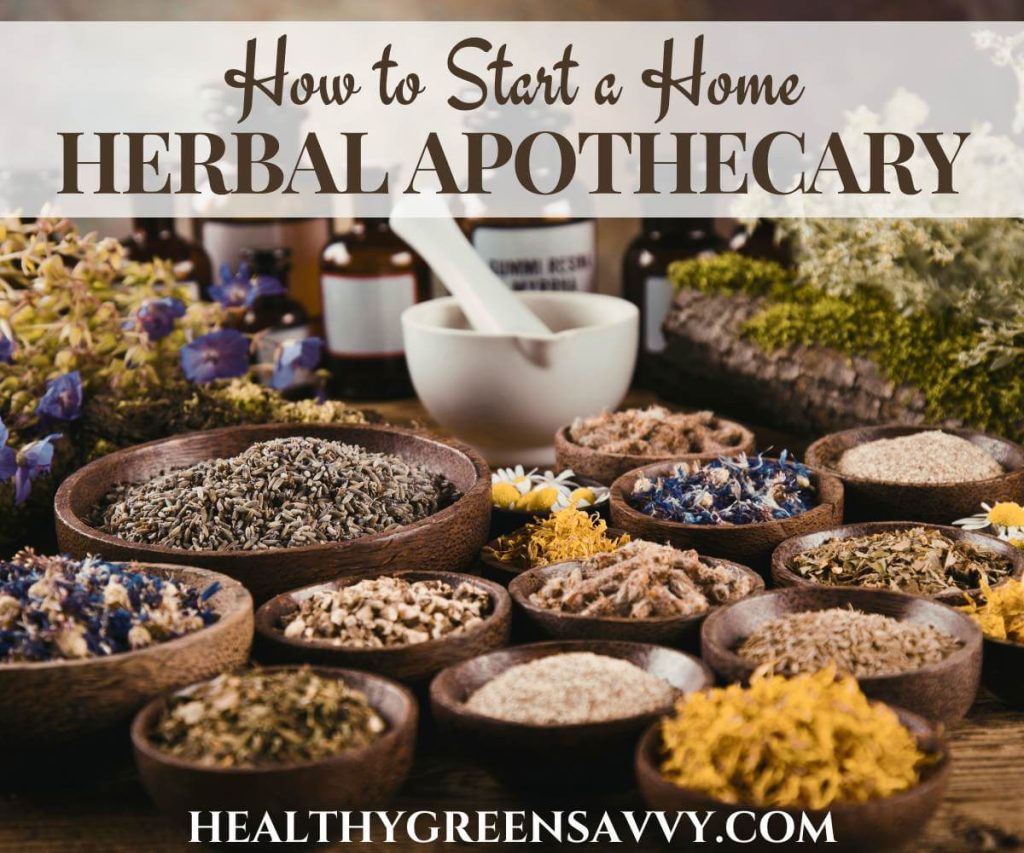
What to Know About Starting Your Home Herbal Apothecary
If you’re newer to herbs, it’s a good idea to start with some of the basics before adding more complicated or less broadly-useful herbs. I’ll focus here on easy-to-get, gentle, multipurpose herbs to make things simple and inexpensive.
You don’t need to spend a lot to supply your home herbal apothecary. Many of the best herbs for the home apothecary grow wild in most yards, and others can easily be grown in pots or tucked into flower beds. If you want to grow more of your own medicinal herbs, be sure to check out our post on starting a medicinal herb garden.
Consider the primary issues you want to address. It’s helpful to have a few herbs to help soothe upset stomachs and bug bites, promote calm and sleep, or use to help wounds. Additionally, some herbs to support your immune system and address colds and flu are great to have on hand.
Note that you don’t need to get all your herbs at once. Building an herbal apothecary is a process, and you can start with just one or two herbs. You likely already have several in your kitchen!
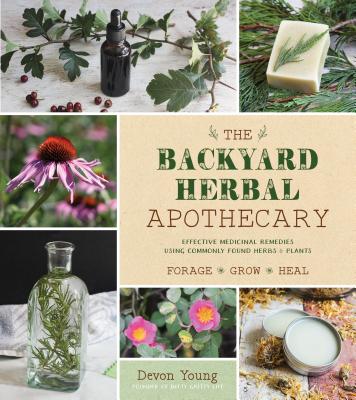
In addition to stocking plenty of herbs, you need reliable resources so you know how to use your herbs. Be sure to check out my top recommended herbalism books.
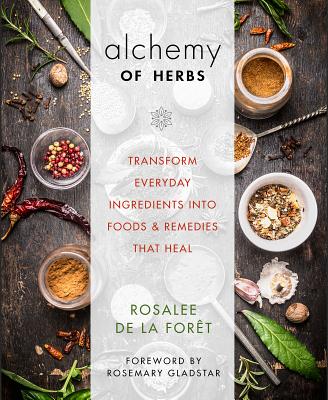

Also consider taking some classes on using herbs, either in person or online. Herbal Academy has dozens of fantastic courses for beginning through advanced herbalists. Find out about their offerings here or by clicking the banner below.

Cautions Using Herbs
Anytime you use an herb for the first time, you should use a very small amount to see how you react to it. Read carefully about each herb to make sure it doesn’t have any contraindications for medications you take or conditions you have.
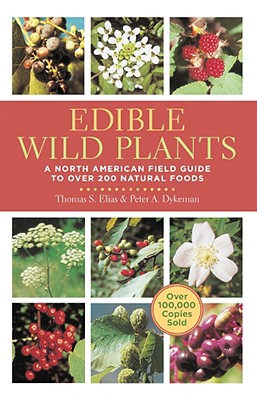
Also, if you plan to forage some of the wild herbs mentioned below, it’s absolutely essential you have a reliable foraging book. Be forewarned there has been an explosion of AI-authored foraging guides, and you should only use one from an actual foraging expert.
Here’s a list of the best foraging books you’ll want to have on hand.

Where to Get Herbs for the Home Herbal Apothecary
Many of the herbs mentioned below are easily foraged in your yard or neighborhood. Others can be grown in pots, a vegetable garden, or even tucked into existing landscaping.
For those you don’t grow or forage, the best place to get high-quality herbs is Mountain Rose Herbs. Starwest also carries a huge line of bulk herbs at competitive prices. You can also find many dried herbs and tinctures from Starwest, HerbPharm, and Frontier on Amazon and other online retailers. Etsy is another source of herbs and herbal products like salves, oils, and tinctures from small growers.
Helpful shortcut: If you’re newer to herbalism and feel a little overwhelmed by the prospect of fully stocking an herbal apothecary, consider getting an array of medicinal teas in easy-to-use bags. If you have herbal teas that can help fight cold viruses, alleviate coughs, or make upset tummies feel better, you’ve got some easy herbal remedies at the ready when you need them.
Traditional Medicinals was founded by Rosemary Gladstar, and many of their blends thoughtfully combine herbs for maximum effectiveness. I likely wouldn’t have all the ingredients they use on hand, and combining 6 different herbs when someone’s got a nasty virus isn’t very likely. But if I have the herbs already blended in a convenient bag? Problem solved.
While I have loads of loose herbs, I keep a lot of these tea bags on hand for when people are fighting off a cold or getting over one. I always pack some for trips in case anyone comes down with anything on the road.
Below are some ready-to-go teas you can keep in your cabinet or take with you when you travel:
For fighting off viruses: Traditional Medicinals Immune Zoom or Echinacea Plus and Buddha Teas elderberry tea. Buddha Teas makes the most potent elderberry tea in a bag I’ve ever found, and it’s a great option if you’re not up for simmering elderberries on the stovetop. I haven’t tried their other teas yet, but I suspect they’re likely more powerful than other brands as well.
For colds, coughs and sore throats: Traditional Medicinals Herbal Cold Care, Breathe Easy, and Throat Coat or Throat Bliss tea. Mullein is great for lung infections, so you could also try Buddha Teas Mullein tea
These Throat Coat lozenges are also helpful.
For stomachaches and nausea: Peppermint or ginger tea can help make upset stomachs feel much better. Traditional Medicinals’ Belly Comfort contains a number of digestion-soothing herbs, as does Gas Relief. You can also try fennel tea for gas and bloating. Yogi tea also makes a number of blends to try, including Stomach Ease.
For stress relief and sleep support: Stress Ease, chamomile and lavender and lemon balm are some of the many bagged options to consider.
Organic India makes wonderful blends with tulsi. I absolutely love the flavor of their Tulsi Sweet Rose, so I also buy their loose-leaf canister to save money and packaging but bring bags with me when I travel. So helpful for soothing frayed nerves!
You can find many medicinal teas on Amazon or in your local supermarket. Target carries a few at lower prices than most.
Top Herbs for the Home Herbal Apothecary
One of the best things about understanding the power of medicinal plants is that you probably have many of them in your kitchen already. From garlic and ginger to rosemary and thyme, our kitchens can be excellent sources of powerful herbal remedies.
To learn more about making use of herbs you have in your kitchen, check out herbalist Kami McBride’s The Herbal Kitchen. With 250 recipes, The Herbal Kitchen offers so many creative ways to use common herbs to support health.
I’m going to list the herbs for the herbal apothecary in order of ease of acquiring them and usefulness, saving the harder-to-get or less broadly useful for the end.
Garlic

Garlic is a seriously impressive herb, and people generally like its flavor. It’s been studied for protecting brain health and regulating blood pressure, and it’s also used herbally a powerful antiviral. Research has backed up its usefulness against cold viruses.
It’s also cheap to buy and easy to grow! Learn how to grow garlic and you’ll have a potent remedy you can harvest from your garden and serve with dinner.
Find out more about the benefits of garlic.
Ginger

Ginger’s renowned for its power to soothe upset tummies, but it’s also a terrific antiviral and anti-inflammatory.
I love to make fresh ginger tea when I’m sick, and ginger tincture is great to have on hand for upset stomachs and for fighting off viruses.
Thyme
Thyme is a potent anti-microbial and excellent for addressing cold symptoms. One of many helpful herbs for coughs, thyme works as both an expectorant and anti-tussive. It’s also helpful for soothing digestion.
One of the easiest ways to use thyme is in a tasty thyme tea, which you can drink anytime, or use it to promote digestion or address a cough. Broth with plenty of thyme is another way to use thyme when you’re sick.
Rosemary

Rich in antioxidants, rosemary has anti-inflammatory properties that make it helpful for pain relief. Often used to promote digestion and relieve gas, rosemary is also antimicrobial.
One of numerous helpful herbs for colds and flu, rosemary may relieve fevers and sore throats. Rosemary tea is an easy way to enjoy the many benefits of rosemary.
Plantain

Herbalist Rosemary Gladstar calls out plantain herb as one of the most useful wild plants, recommending it especially for liver and kidney support, among many other uses.
Plantain leaves contain mucilage, making them excellent for soothing irritated tissues in the throat and lungs. Use plantain leaf as a tea to alleviate coughs and sore throats, or to soothe the digestive tract.
Externally, plantain is the top herb in your herbal apothecary to help with many kinds of skin irritation. Chop or chew leaves to make a soothing poultice for bites and stings, or use a plantain salve. Brew the leaves to make a compress to help relieve sunburns.
Plantain leaves also have drawing properties, so chopped plantain or salve held over a splinter for a few hours can help draw it out.
I always have a little tin of plantain salve on hand, and I bring it when we travel. It’s helped with so many sunburns, bug bites, splinters, wasp stings, and rashes! You can make your own or buy some here.
Elderberry (& Elderflower)

A premier herb for fighting viruses, elderberry is a must for the home herbal apothecary. Research has shown that elderberry can signiciantly shorten the duration and severity of colds and flu by inhibiting viruses’ ability to replicate. Taking it often at the first sign of illness may help you avoid fully coming down with colds or flu.
Learn more about benefits of elderberries.
A popular way to use elderberries is delicious elderberry syrup, but you can also make elderberry tea or tincture. I like to make all of them! I keep the tincture on hand for fighting off viral infections, because you can take just a few drops several times a day without having to drink so many cups of tea or getting all the sugar from syrup. But the tea and syrup are delicious and worth making as well!
Elderberry plants are easy to grow and make a delightful addition to the home garden. Find out how to grow elderberries and which elderberry varieties to choose.
Elderflowers are also useful for overcoming fevers and viral infections, and they’re also thought to be helpful for allergies. Elderflowers are also absolutely delicious in teas, syrups, and lots more.
Learn more about elderflower benefits, elderflower identification, and how to make elderflower tea.
You can forage elderflowers in late spring and early summer or buy them dried online.
Wild Violets

Wild violets are a fantastic wild herb, with leaves that are excellent for moving lymph and helping coughs. You can use the flowers, but they’re not around long and take awhile to harvest in quantity, while the leaves have a long season and can be picked relatively quickly.
Learn more about the ways to use wild violets and violet leaf, then try making a pretty wild violet tea or a wild violet tincture.
Yarrow

Yarrow is another common wild plant that excels for herbal first aid. The plant herbalists turn to for staunching bleeding, try a poultice of chopped or chewed yarrow next time someone gets a bad cut. Yarrow has antimicrobial properties as well.
It’s also used internally as a tea used to reduce fevers, balance hormones, and improve digestion. You can also add yarrow to bath water to bring down a fever.
Find out more about yarrow uses.
Ground Ivy

More commonly known as creeping Charlie, ground ivy is an under-appreciated herb that’s incredible for a variety of ailments. My primary use for it is for viral infections. A tea made with ground ivy is the best thing I’ve ever found to make me feel better when I’ve come down with a cold.
I’ve used a ground ivy tincture when I’m trying to fight off something, but elderberry is so well-studied for that purpose, I tend to turn to it first. But nothing has beaten creeping Charlie tea when I’ve already got something and I want to get rid of that blah feeling that comes with colds.
There are loads more herbal uses for creeping Charlie, including treating headaches, sciatica, tinnitus, and lead poisoning.
Find out more about identifying creeping Charlie.
Calendula

Calendula is a top herb for soothing irritated skin. It has anti-inflammatory and antimicrobial compounds, which make it especially useful for wound care. Calendula oil and salve are great to keep on hand for skin irritation. One of the top sunburn remedies, calendula can also be used as a tea to make a soothing compress.
Internally, calendula can be eaten as a food or brewed into herbal tea blends for supporting mood, bolstering the immune system, and promoting lymphatic drainage. You can also use calendula tincture for these purposes.
I use the fresh flowers I grow in herbal teas and salads, and I get a bag of dried calendula flowers to use through the long months when nothing grows here.
Learn more about calendula uses.
Lemon Balm

Lemon balm is prized for promoting relaxation and sleep. On its own in lemon balm tea, or combined with other top herbs for sleep, lemon balm is fantastic for better sleep. You can also make a lemon balm tincture to extract this wonderful herb’s medicinal compounds.
Lemon balm is considered one of the top herbs for stress and can also be used to ease anxiety. It also has antiviral properties and is often included in cold sore remedies.
I grow tons of fresh lemon balm and use it fresh throughout the growing season. I also get a big bag of dried lemon balm to see me through winter.
Learn more about uses for lemon balm, and if you have an abundance in the herb garden, discover tons of creative ideas for what to do with lemon balm.
Chamomile

A gentle and soothing herb, chamomile is an excellent addition to the herbal apothecary. Its bitter components make it helpful for promoting digestion, and it’s another go-to for relaxation and sleep. It may also alleviate cramps and pain, and can be used for colds.
Chamomile is most often used in tea, on its own or in combination with other herbs. I add it in large quantities to my nightly sleep blend, together with passionflower and lemon balm.
When I travel, I bring Traditional Medicinals Chamomile and Lavender tea or Clipper’s Snore and Peace, which combines chamomile, lemon balm, and lavender. They’re both delicious as well as calming.
Peppermint

This well-known remedy for upset stomachs is also great for clearing congestion and relieving headaches. You can also use it for memory and alertness as well as hiccups!
Externally, peppermint tea can be applied to sunburns and poison ivy rashes, or as a compress to help headaches.
One of the top cooling herbs to turn to in summer, peppermint can be steeped in cold water to make a refreshing mint water. So helpful for cooling off on hot days!
Its cooling properties also make peppermint helpful for fevers. It’s often combined with elderflower and yarrow for this purpose.
Pine

Pine is another underutilized herb you can find just about anywhere that’s fantastic for respiratory illnesses. Considered exceptionally helpful for alleviating chest congestion, pine needle tea is wonderful to drink in quantity when you’re sick. Pine needle tincture is also helpful to have on hand.
You can also make a soothing pine syrup, which you can use to soothe coughs.
Pine is one of many medicinal trees worth getting to know so you can forage more useful herbal remedies.
Tulsi
Tulsi is an easy plant to grow in the garden, and the fresh leaves make a delicious tea. Also known as holy basil, tulsi is prized as an adaptogenic herb for addressing stress and promoting relaxation and sleep. Considered a beneficial herb for the immune system, it’s especially useful when stress impairs our immune response.
You can buy tulsi in bulk, or try some of Organic India’s many different delicious tulsi blends. (The one with rose is phenomenal!)
Lavender

Lavender’s relaxing scent is probably its greatest claim to fame, but you can also use lavender topically and in tea.
To capitalize on this lovely plant’s ability to promote better sleep, make easy DIY lavender sachets and place them under pillows or on bedside tables. Or add flowers and leaves to DIY lavender bath salts.
Pro tip: The leaves of the lavender plant can be used as well. Put them in sachets or tea, or add them sparingly to cooked dishes. Learn more about how to use lavender leaves.
Other herbs to explore for the herbal apothecary:
- Goldenrod
- Nettle
- Orange Peel
- Echinacea
- Self heal
- Motherwort
- Catnip
- Turmeric
- Dandelion root
- Spilanthes
- Yellow dock
- Hawthorn berry
- Bee balm
- Chickweed
- Black Chokeberry (Aronia)
- Cleavers
- Linden
You might also look into some simple essential oils that you can use topically to treat skin irritations, muscle soreness, and other issues.
Tools for Your Home Herbal Apothecary
You’ll likely be making lots of tea, so an electric kettle, which heats water quickly and more efficiently than a stove, is very useful to have.
A teapot with a built-in infuser makes brewing many pots of tea easier. Or you can use a tea strainer.
A cup with a built-in infuser is nice when you want to brew a single cup. When I want to make rosemary tea or thyme tea, I’m less inclined to make a full pot, and an infuser cup makes brewing small amounts easier.

I highly recommend a collapsible drying screen. I love that it has tons of space for laying out the many different herbs I gather each season but folds up into a small circle that I can tuck away out of season.
I’ve used it to dry huge quantities of foraged Canadian wood nettle, plantain, linden flowers, goldenrod, elderflowers, birch leaves, and so much more.
- Mason jars for storage or steeping tinctures
- Mesh sieve
- Dropper bottles for tinctures (like these or these)
- Small funnels
- Cheesecloth for straining tiny pieces of plant material (makes a longer-lasting finished product)
Vodka is most commonly used for tincturing dried herbs, but you can also use brandy or another alcohol. You can also use food-grade glycerin or vinegar to extract herbal compounds, though they will extract different constituents than alcohol.
If you’d like to make your own oils or salves, some carrier oils like almond, olive, or jojoba oil and beeswax will get you started.
I hope you found a number of herbs you’d like to get started with. Enjoy building your home herbal apothecary!

Save this info on starting a home herbal apothecary for later!
Photo credit for cover & pins: Pop Andrea’s images
Disclaimer: I’m a health enthusiast, not a medical professional. Content on this website is intended for informational purposes only and is not meant to provide personalized medical advice. I draw on numerous health sources, some of which are linked above. Please consult them for more information and a licensed professional for personalized recommendations.
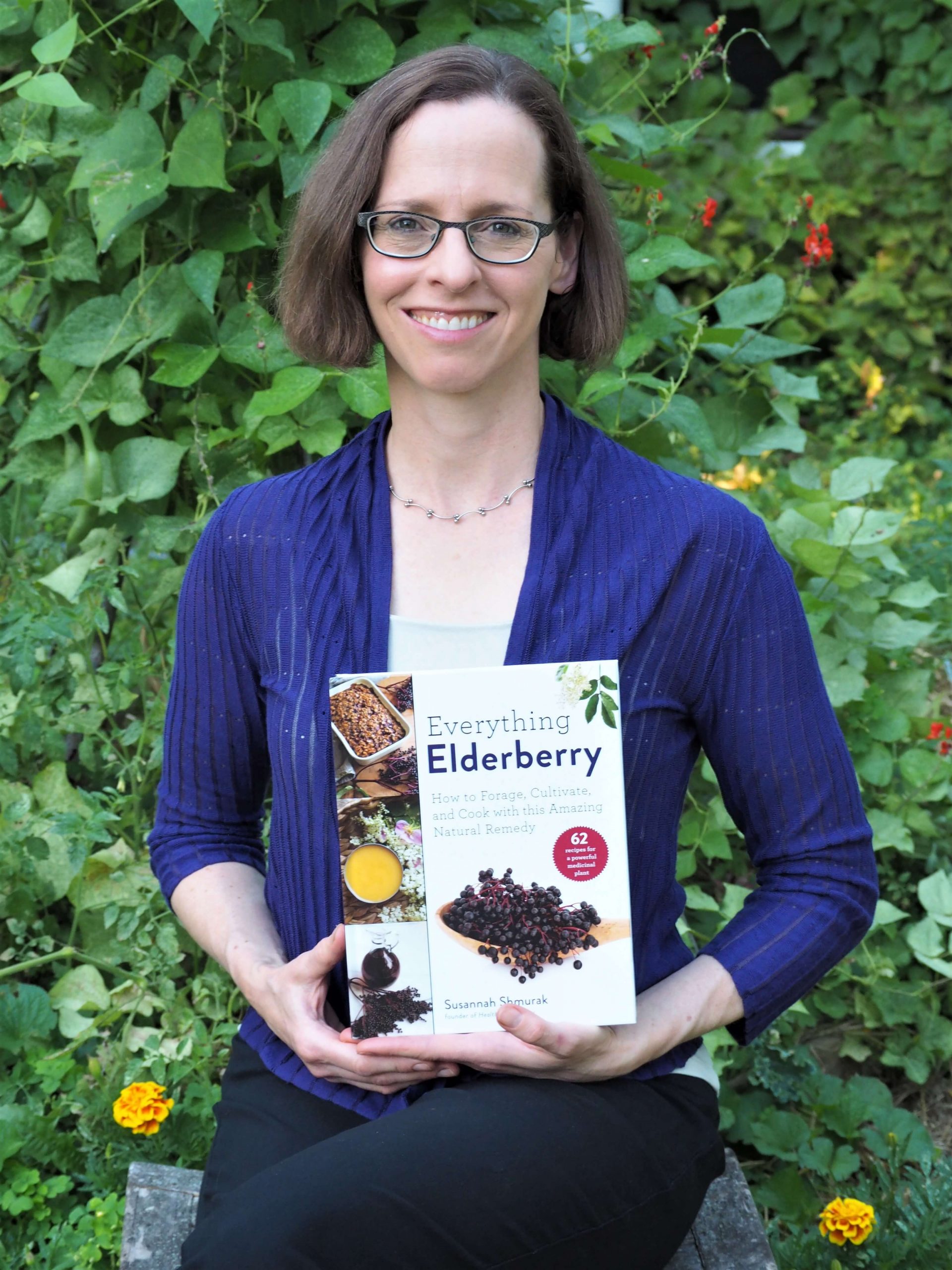
Susannah is a health and environmental writer focusing on gardening, foraging, medicinal plants, and sustainability. Her work has appeared in Mother Earth Living, Ensia, Northern Gardener, Sierra, and on numerous websites. Her first book, Everything Elderberry, released in September 2020 and was a #1 new release in holistic medicine, naturopathy, herb gardening, and other categories. Find out more and grab your copy here.

 Hi, I'm Susannah, a garden geek, energy nerd, and fan of healthy food and natural remedies. Need some simple, practical solutions for living healthier and greener? You've come to the right place! More about me and my green projects
Leave a Reply